Antiques as Focal Points: How Interior Designers Use Statement Pieces to Anchor a Room
With every new generation of antiques buyers comes a generation of interior decorators and designers who redefine the way that many people choose to furnish their homes. In the past, figures like John Fowler, of Colefax and Fowler, were hugely influential, creating interiors that are still talked about today. Fowlers Yellow Room, created for Nancy Lancaster in Brook Street, London, is perhaps the most famous of all of his interiors created for one of the most important clients of the period and spawning a whole host of imitations and pastiches.
The prevailing trend today, such as there is one, is typically for a more restrained and frequently more casual room setting without the elaborate drapery seen in Fowlers classic room and the modern room is more likely to be furnished predominantly with modern or vintage pieces with statement piece antiques used to give the room a focal point and some additional visual flair.
The decorator Bunny Williams, one of the leading names in this field in the US for many years now, gave an interview to the creative director at Schumacher, a leading fabric, wallpaper and furnishing company, in 2022, discussing her techniques for seamlessly incorporating antiques in to contemporary home interiors and the purpose of this blog post is to illustrate these points further with reference to our own stock and the thought process involved in choosing the pieces that we buy and offer to our clients.
In the article, Williams first point is that when combining antique and modern, the level of quality of all the pieces in a room should be consistent so as not to create a jarring effect.
She illustrates a sitting room she decorated with four different pieces of seat furniture, some fully upholstered and some not, surrounding a coffee table. However the eye of the viewer gravitates towards a small ivory or bone inlaid Ottoman-type table in the back right, used as a pedestal to display a carved and painted wooden sculptural figure. This is a perfect example of an antique used as a statement piece which ties the rest of the interior together.
A search through our present stock
will reveal multiple items that could be used to elevate an interior in a similar way. Imagine, for example, substituting the Ottoman table in the Williams interior for our Goyard trunk.
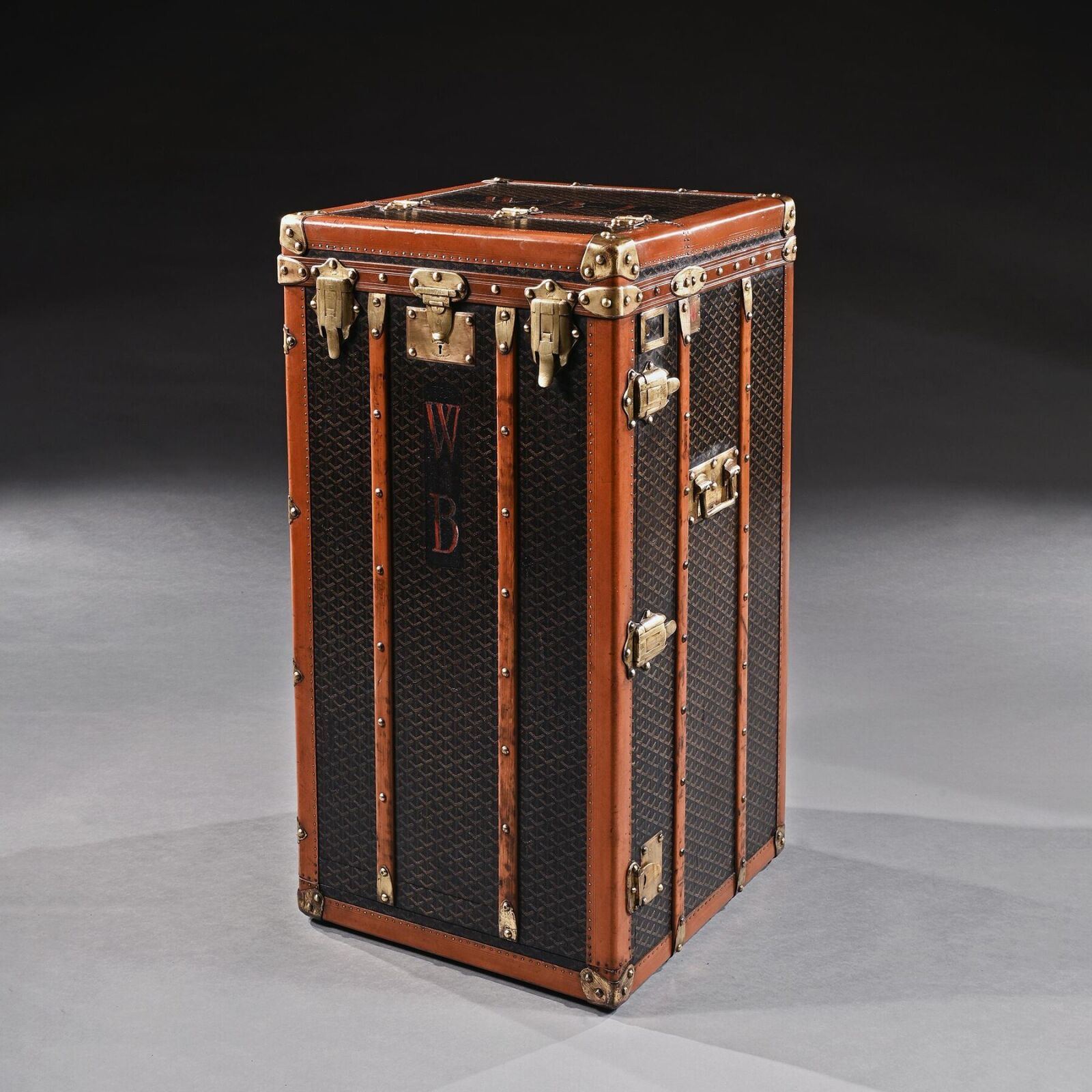
Highly collectable and sought-after, such pieces are not only fine collectables and a reminder of the age of elegant travel that has probably now been consigned to the past for those without retinues of servants to carry their luggage, but also very practical as items to be employed in interior schemes.
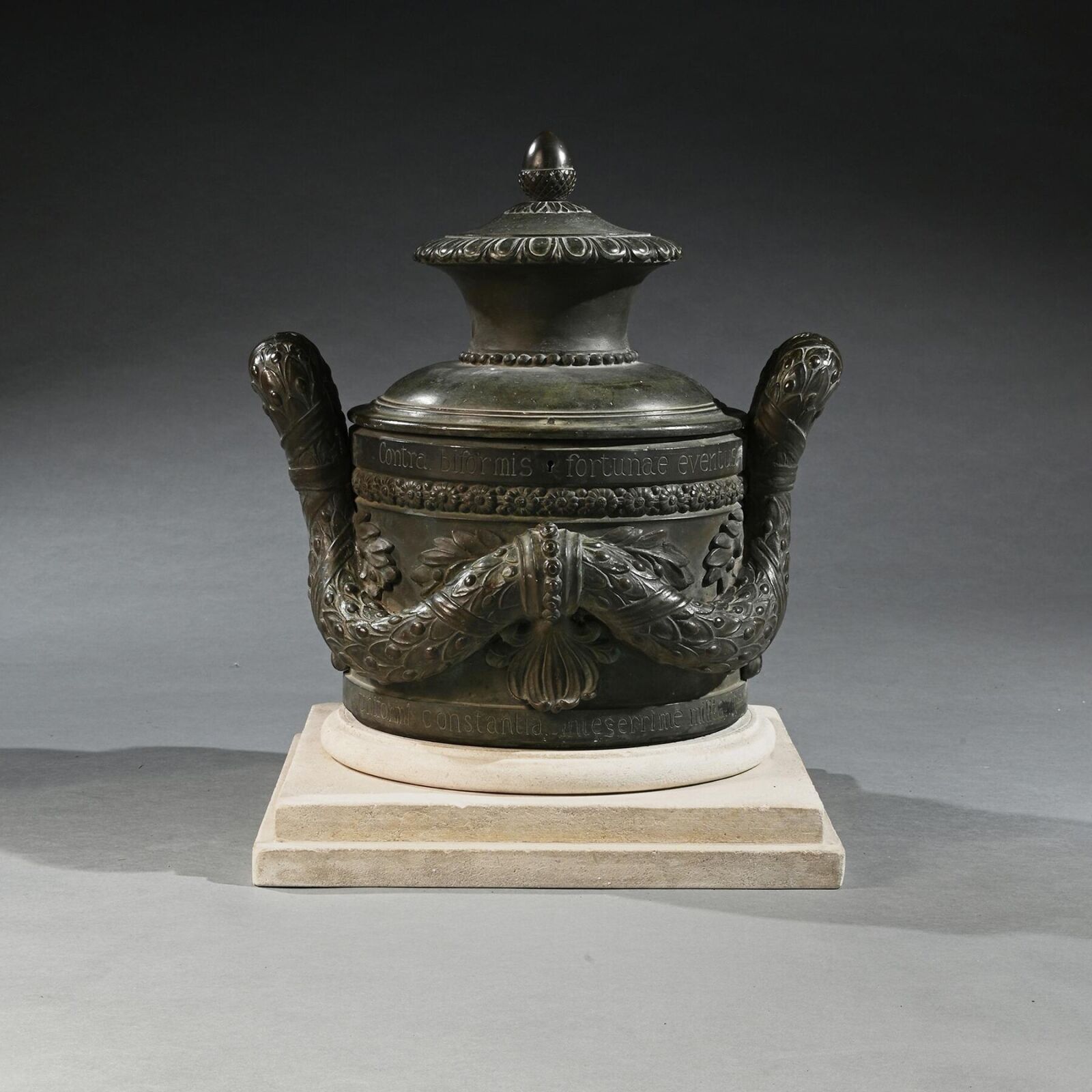
Stood vertically, this piece makes the perfect pedestal in a corner of a room, a guaranteed talking point and an interesting way to highlight a decorative item on top. Imagine a fine bronze such as our fascinating lockable vessel with Latin inscription displayed atop the piece
or even a Lucie Rie vase
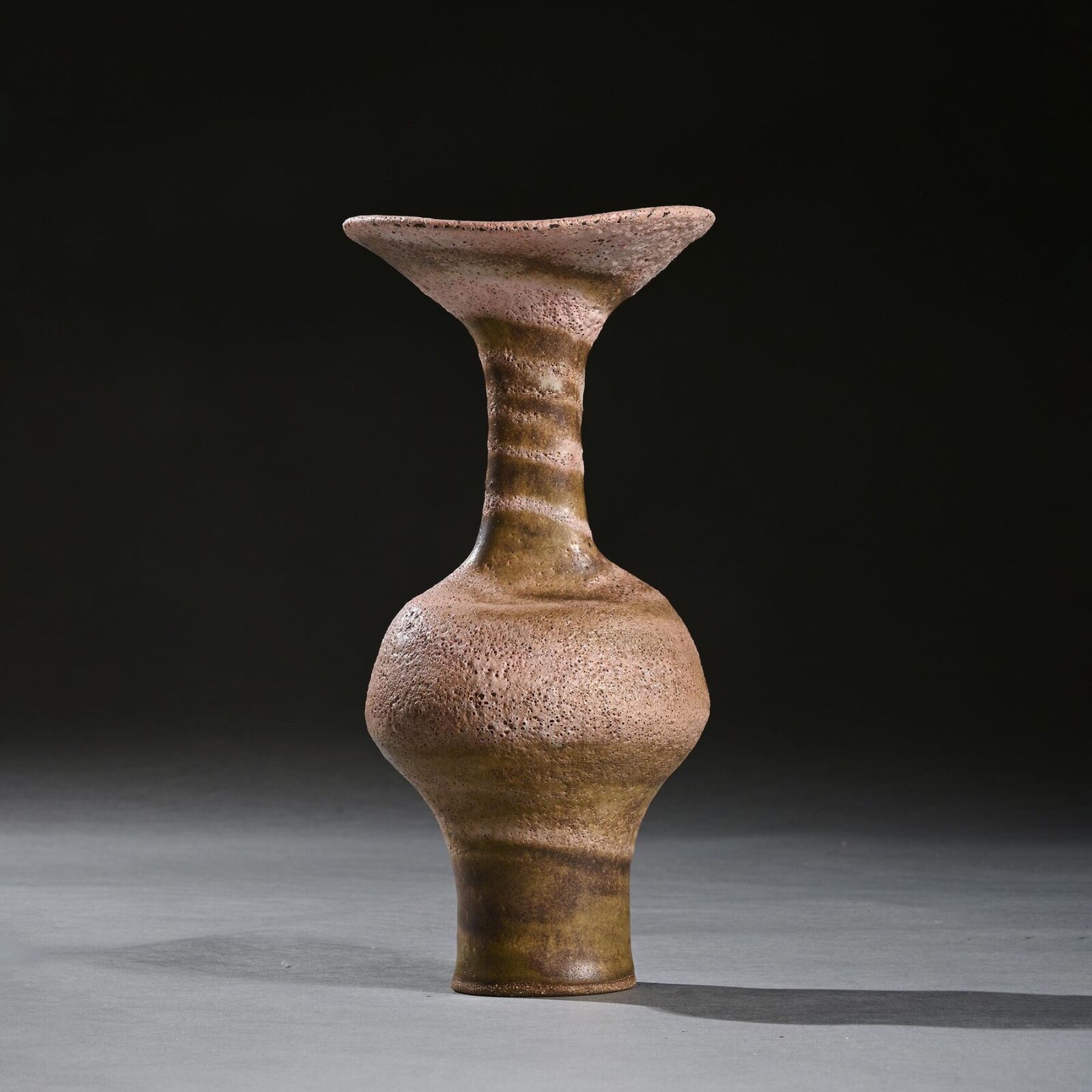
or bowl
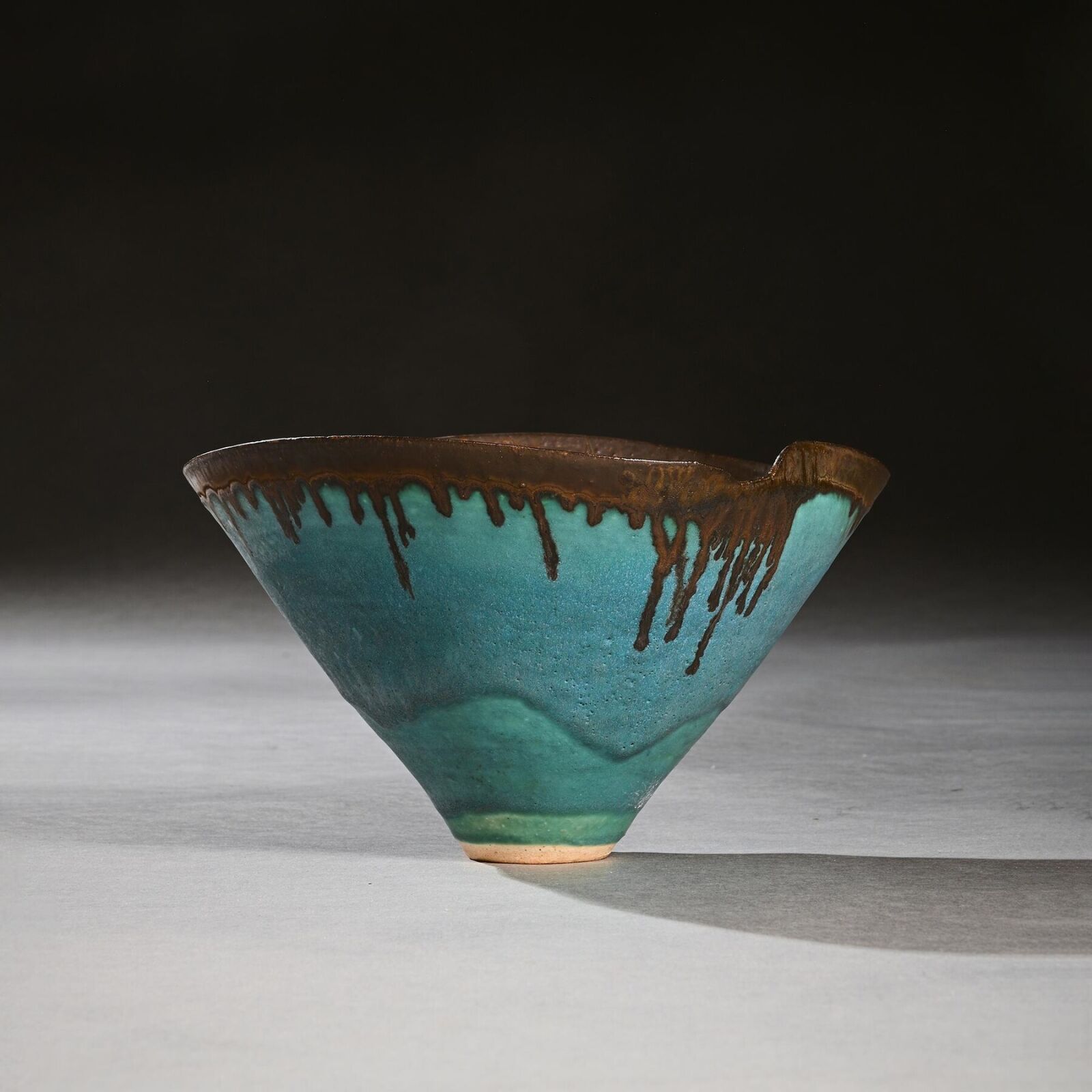
The possibilities really are limitless.
It is also possible to do all of this with a piece of antique furniture as the statement piece. Imagine, for example, our beautiful pollard oak sideboard
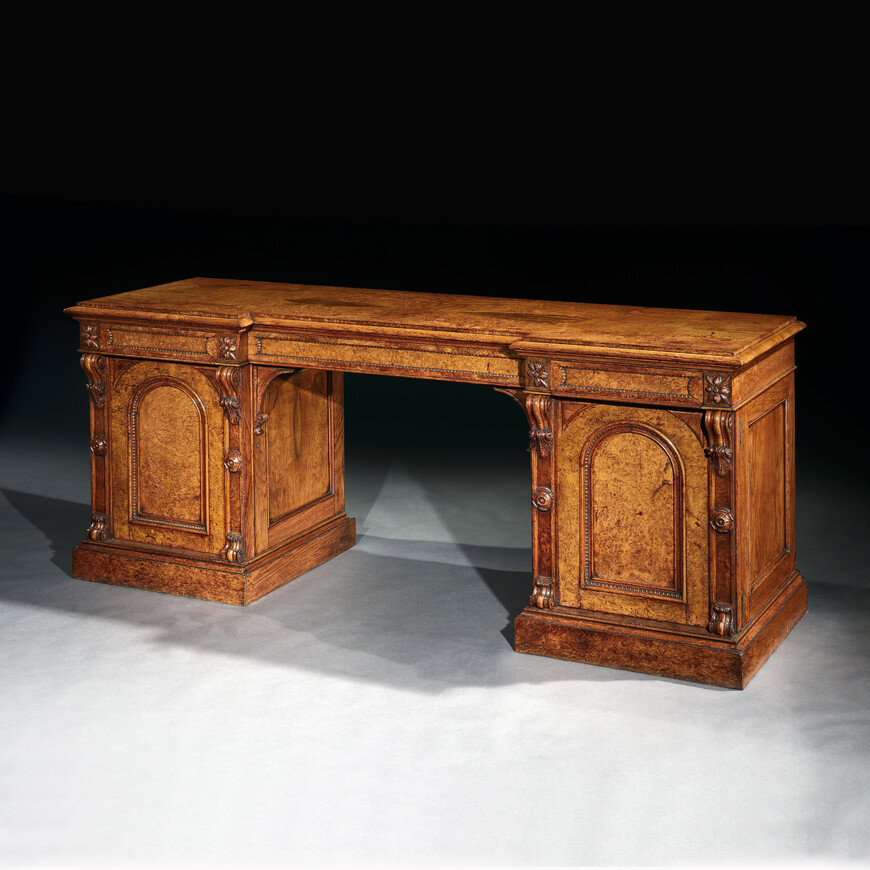
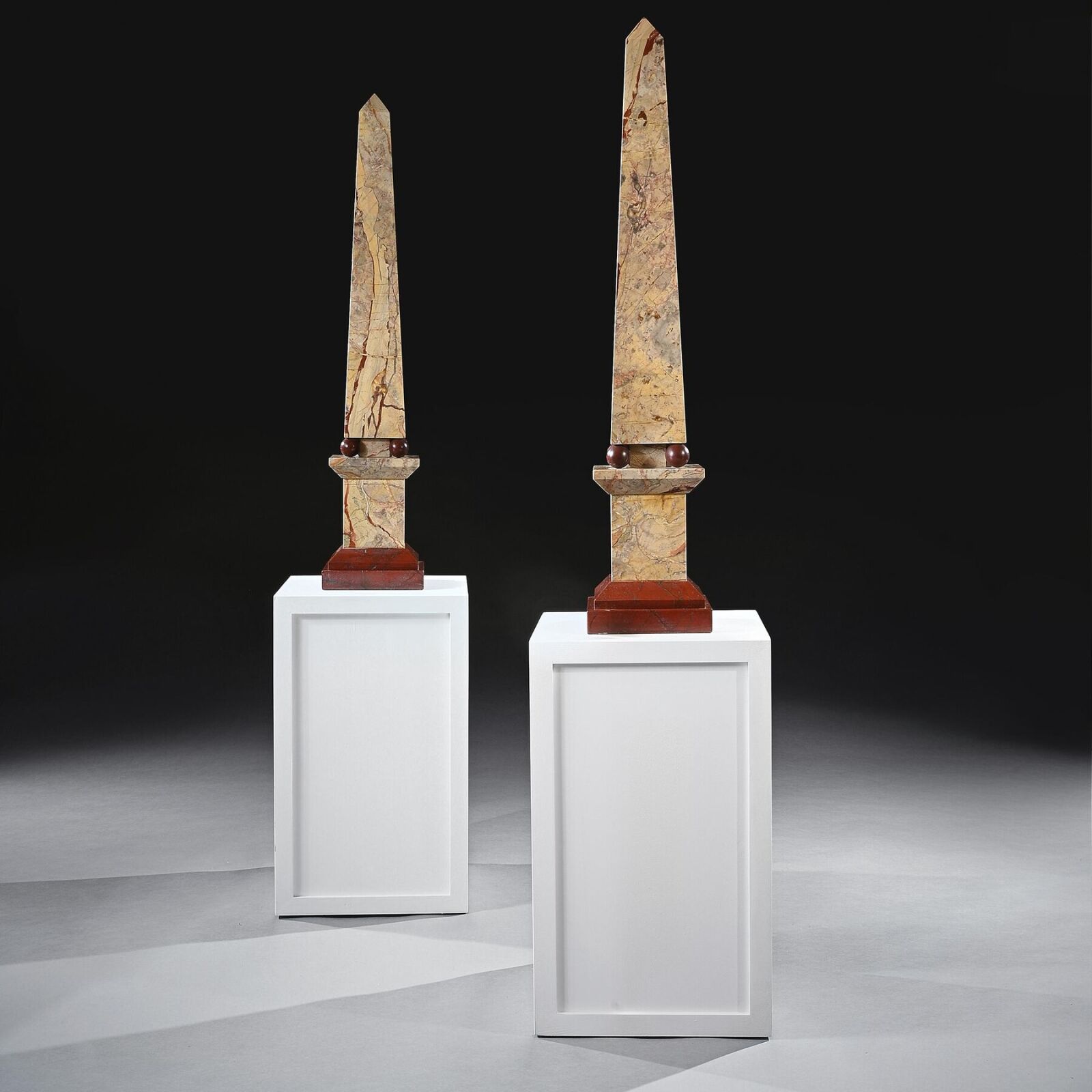
in a modern room, perhaps with an abstract mid century painting hanging above it on a white wall. On top of the sideboard, why not place our pair of 20 th century marble obelisks
or for that real wow factor, maybe this exceptional cork model of an English church, a labour of love completed c.1900 by Cornelius Daniel ward of Norwich
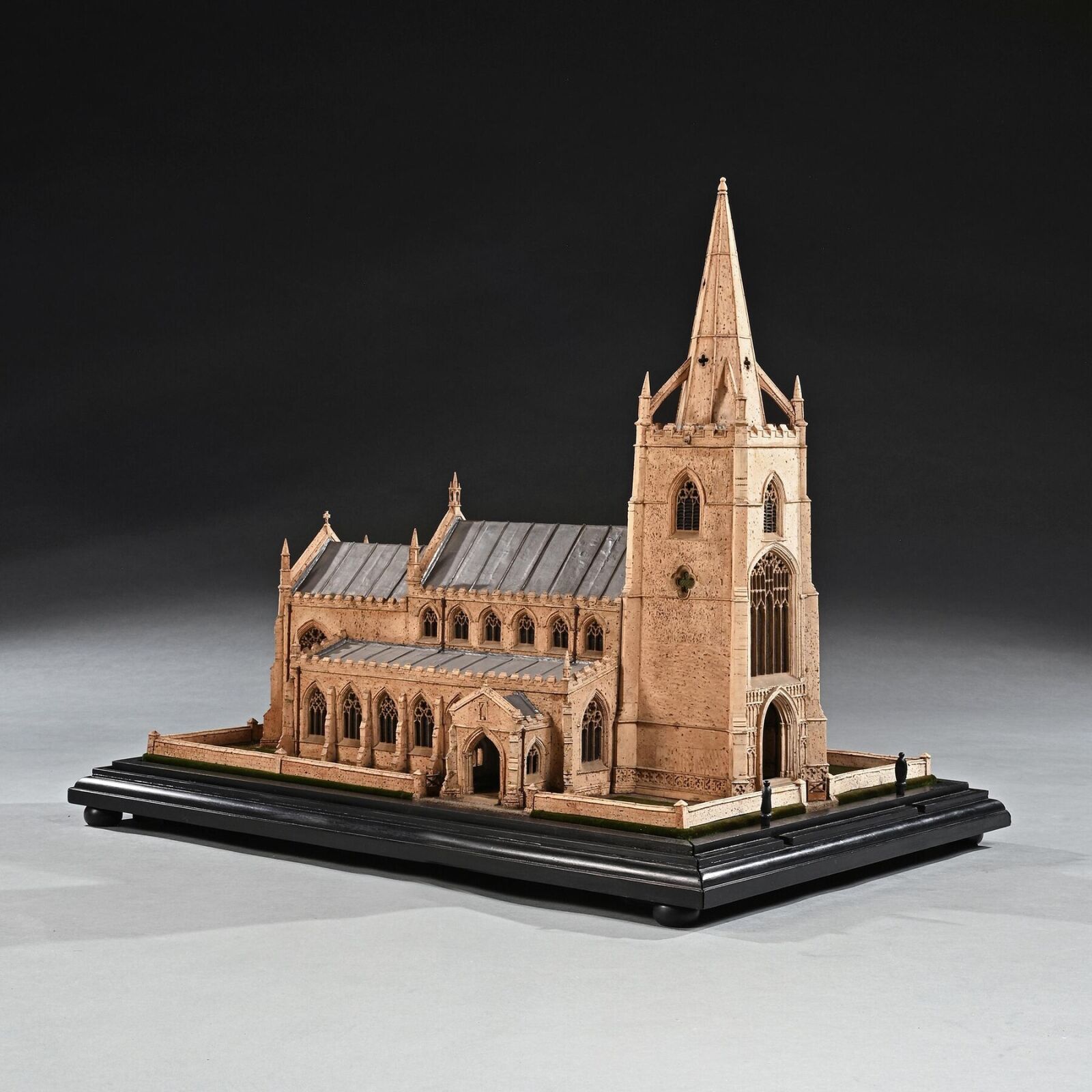
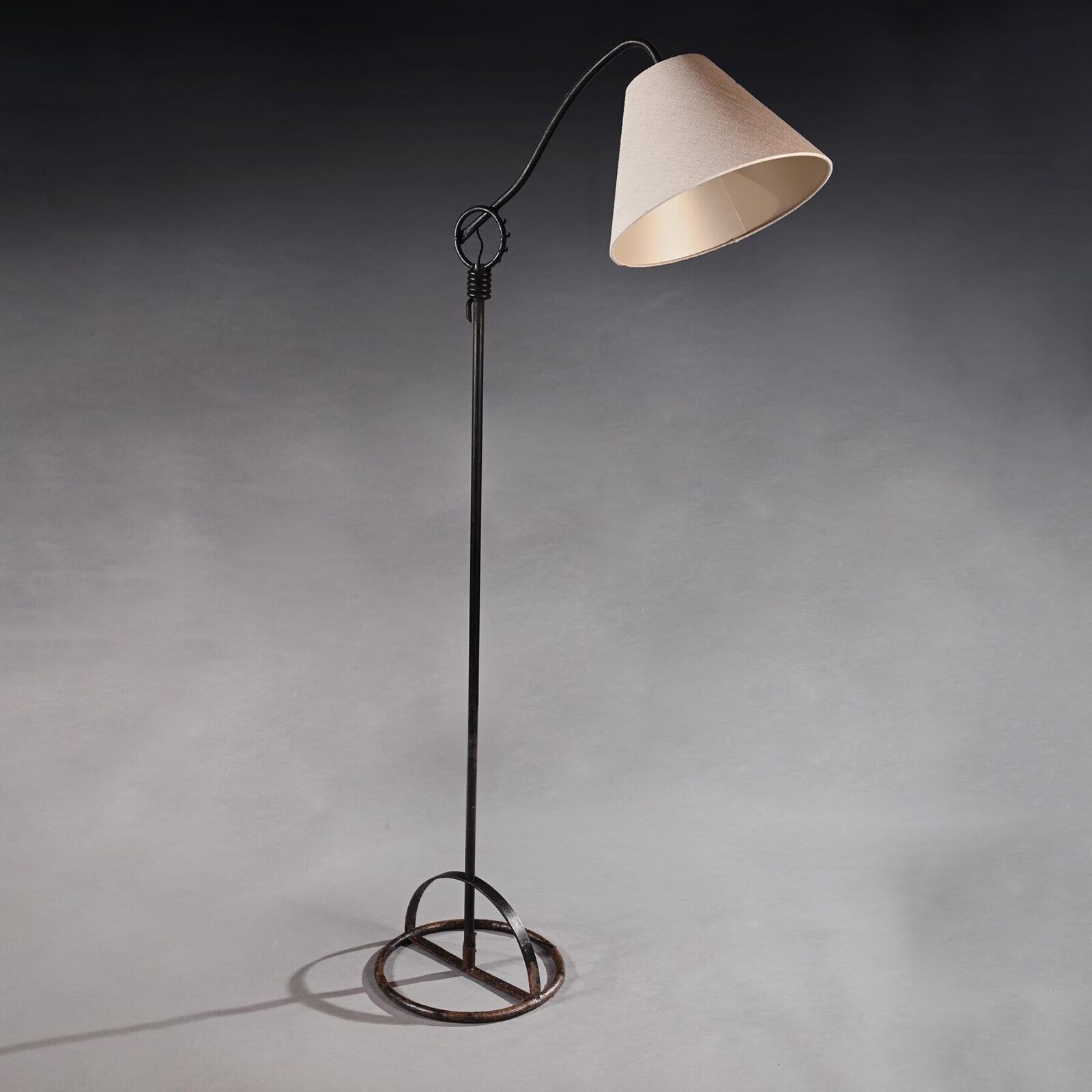
To one side of the sideboard, place our wrought iron lamp of mid 20th century date
Assuming that the room we are creating is a dining room, lets use this fine set of chrome chairs by Pieff
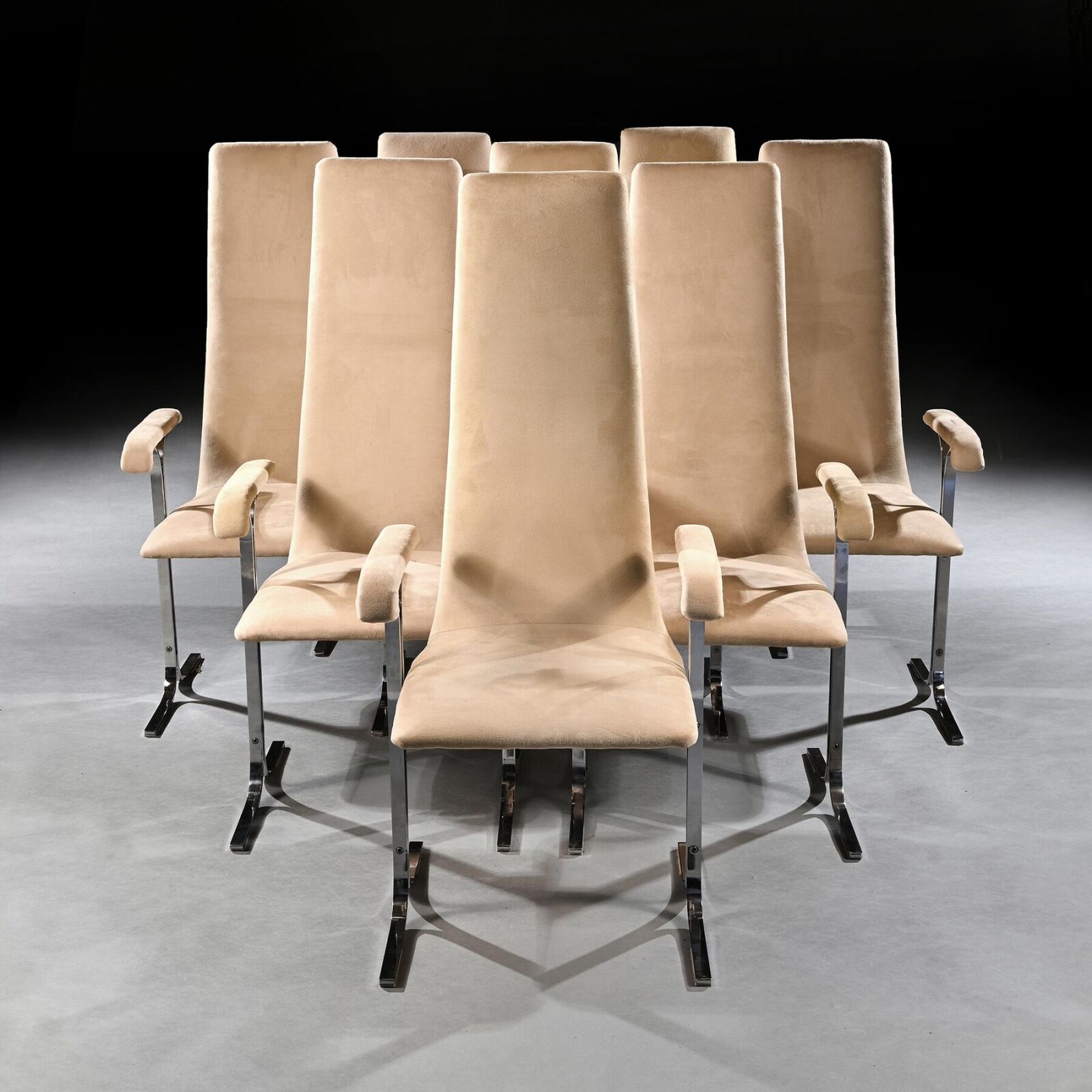
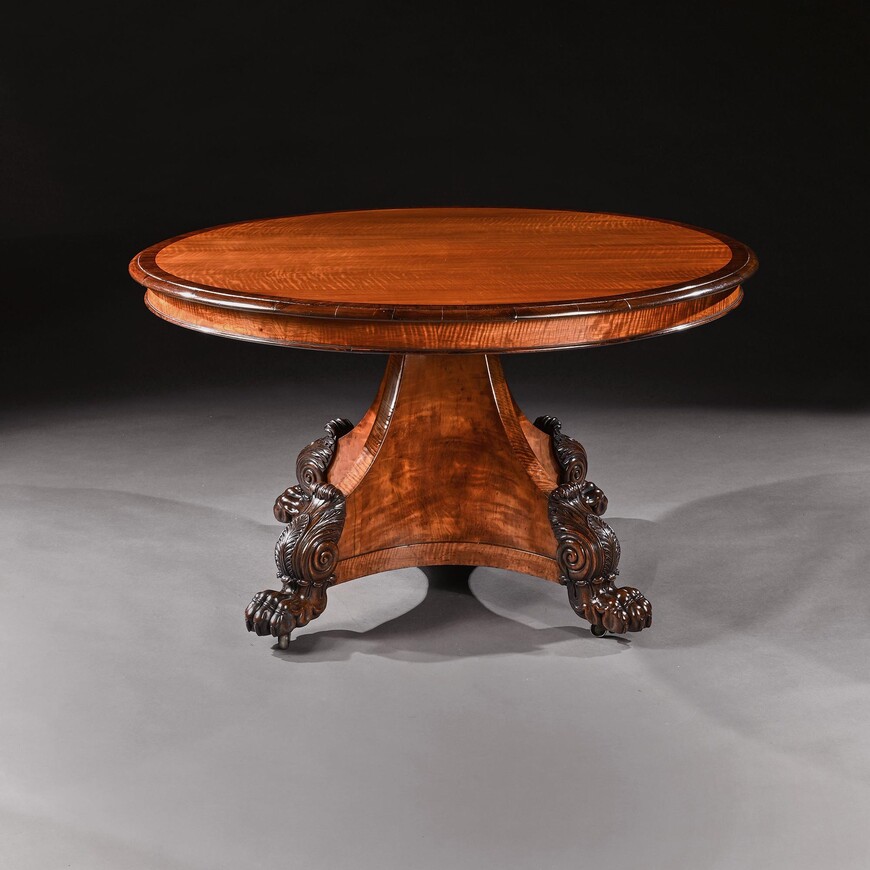
four of them placed against the walls, and four of them arranged around this centre table by Peters of Genoa, used as a dining table
It is possible to make these sorts of connections between all of the items in our stock because we entirely agree with Bunny Williams' first principle. Everything we buy has to meet our strict standards of quality and, as such, they will all work beautifully with each other, whether used inbusy interiors with multiple pieces per room or in more stripped-back settings with only a couple of key pieces in each interior setting.
The vast majority of our pieces have been selected because they have the potential to be scene stealers in a room, catching the eye in the same way as that table in the Williams interior. Consider for example this lacquered goatskin table by Aldo Tura or mid century date
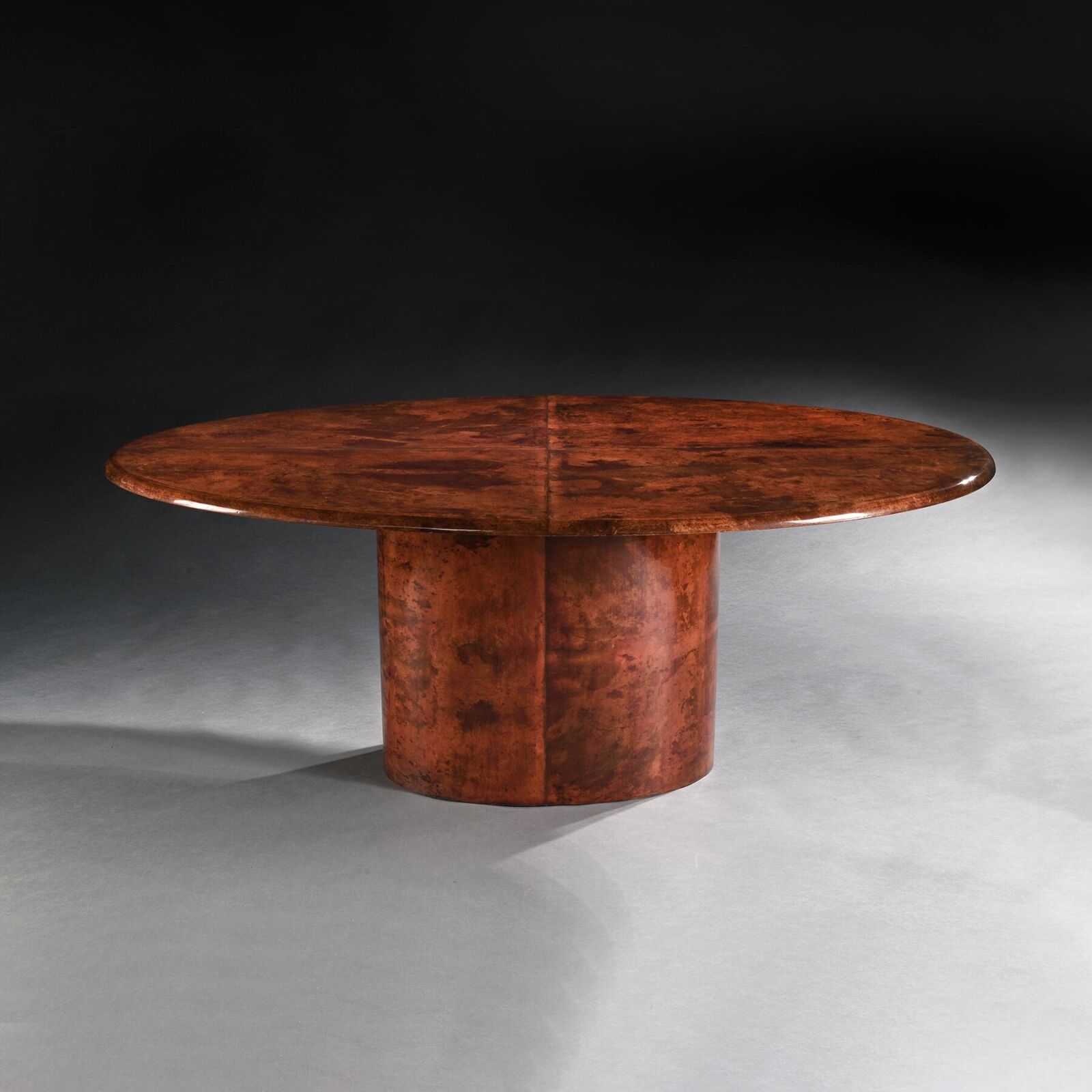
and in the centre of the table, this wonderful pair of early 19 th century Empire period candelabra by Thomire
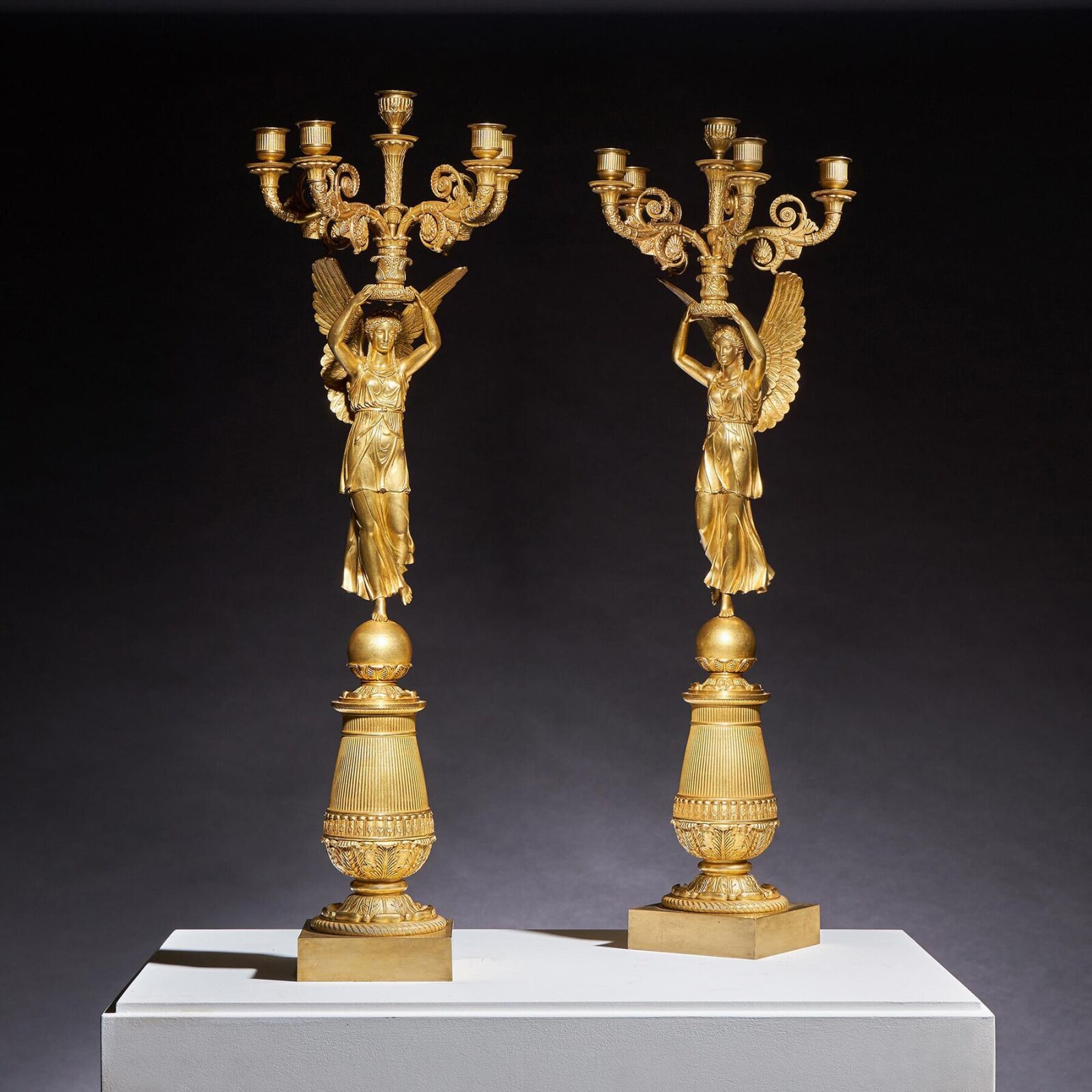
Both the table and the candelabra were great luxury items of their respective periods and they combine beautifully because of their common quality and decorative appeal.
Another interesting juxtaposition that comes to mind is that of 20 th century lighting with antique furniture. Williams makes this point in her interview once again, see in particular image 5, and from our own stock a combination that would work extremely well might involve our Arbus and Poillerat wall lights
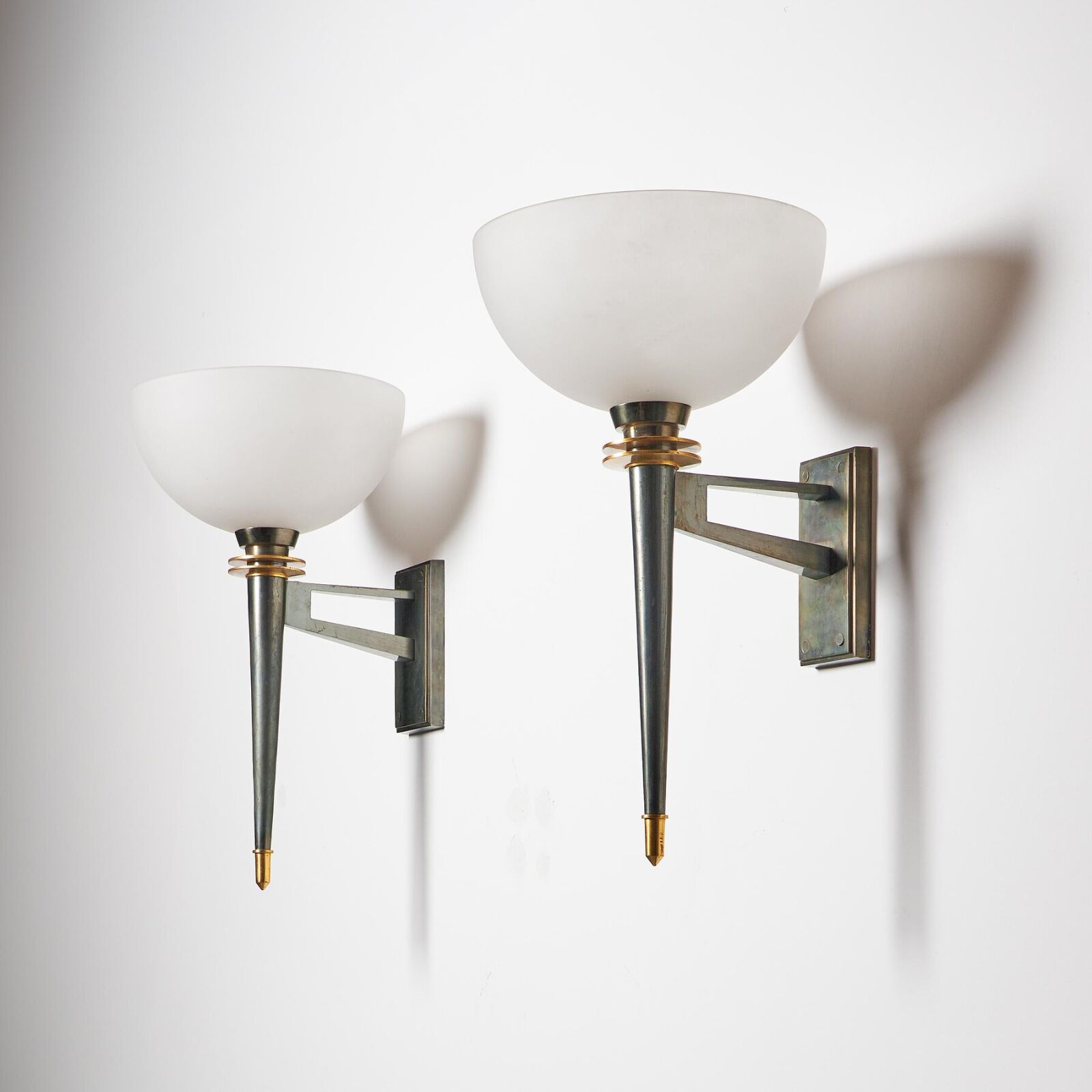
with our mid 18 th century German commode
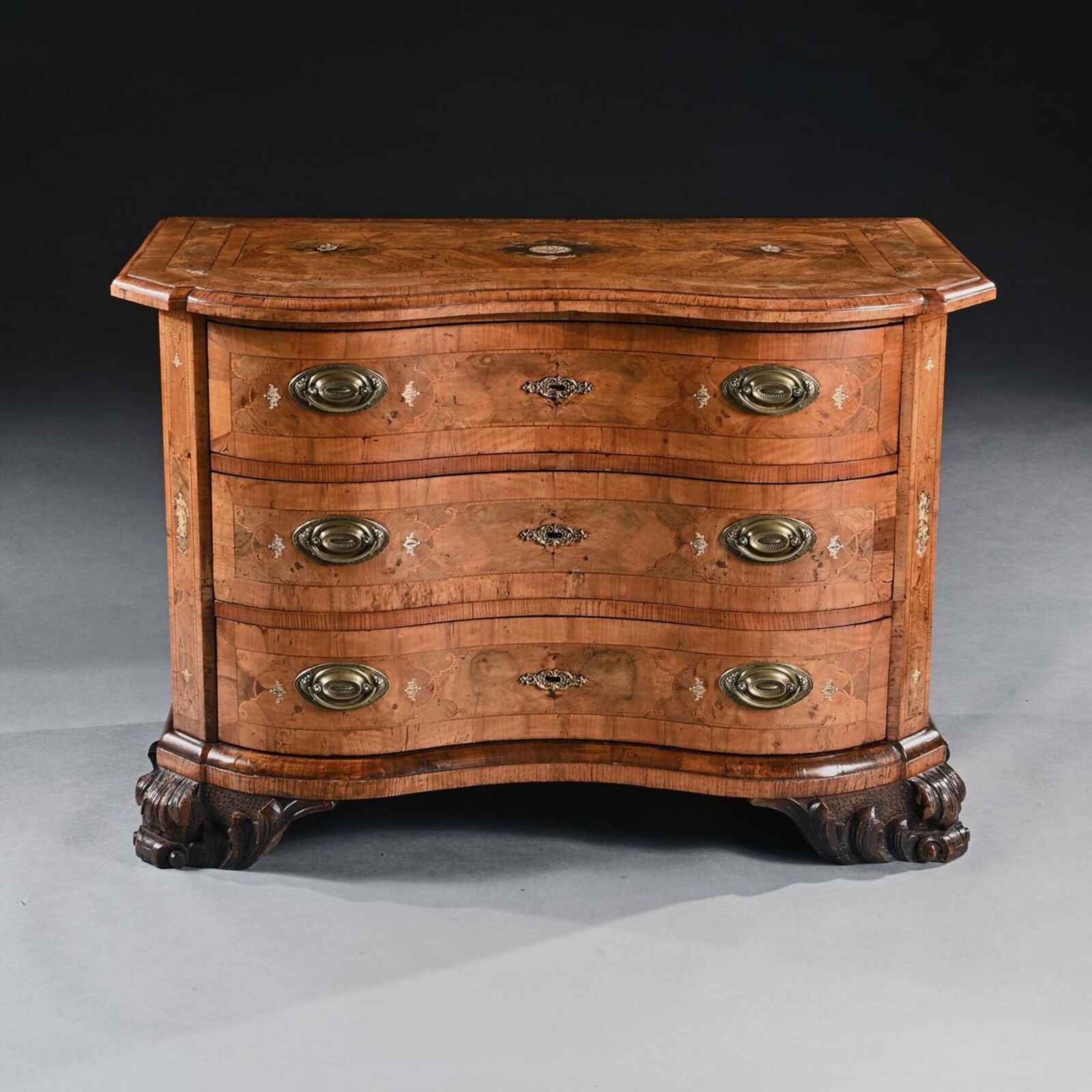
Used as a way of framing the commode, the wall lights bring a completely different dimension to this exceptional piece of inlaid furniture.
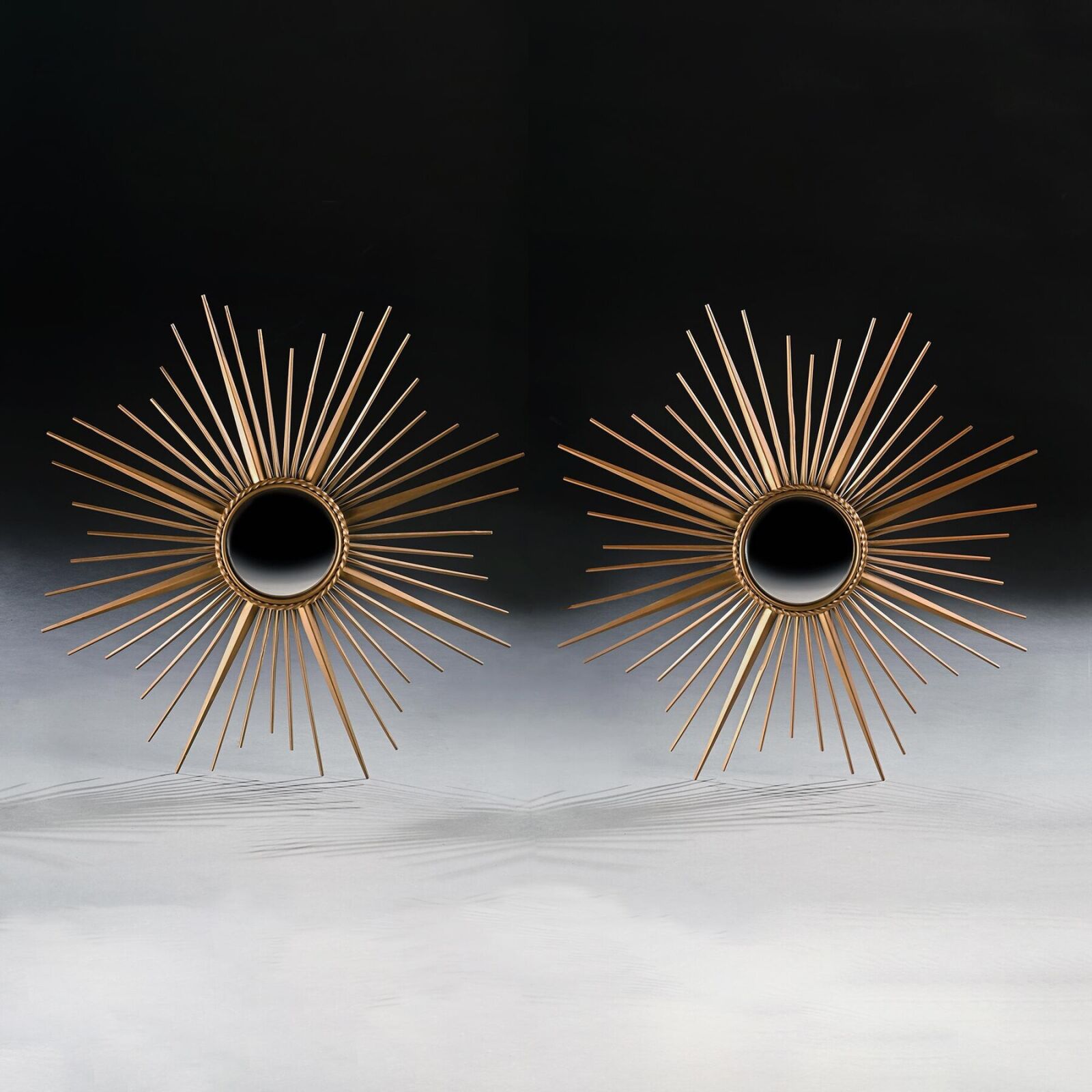
Another point that is surprisingly not highlighted in the Williams article but does appear in numerous other magazine pieces on the art of combining antique and modern decoration is that mirrors are often the key to these schemes. Our collection includes both mid century modern mirrors such as these beautiful Chaty Vallauris sunburst pieces
and antique mirrors such as this beautiful George II period English gesso example in the Palladian taste
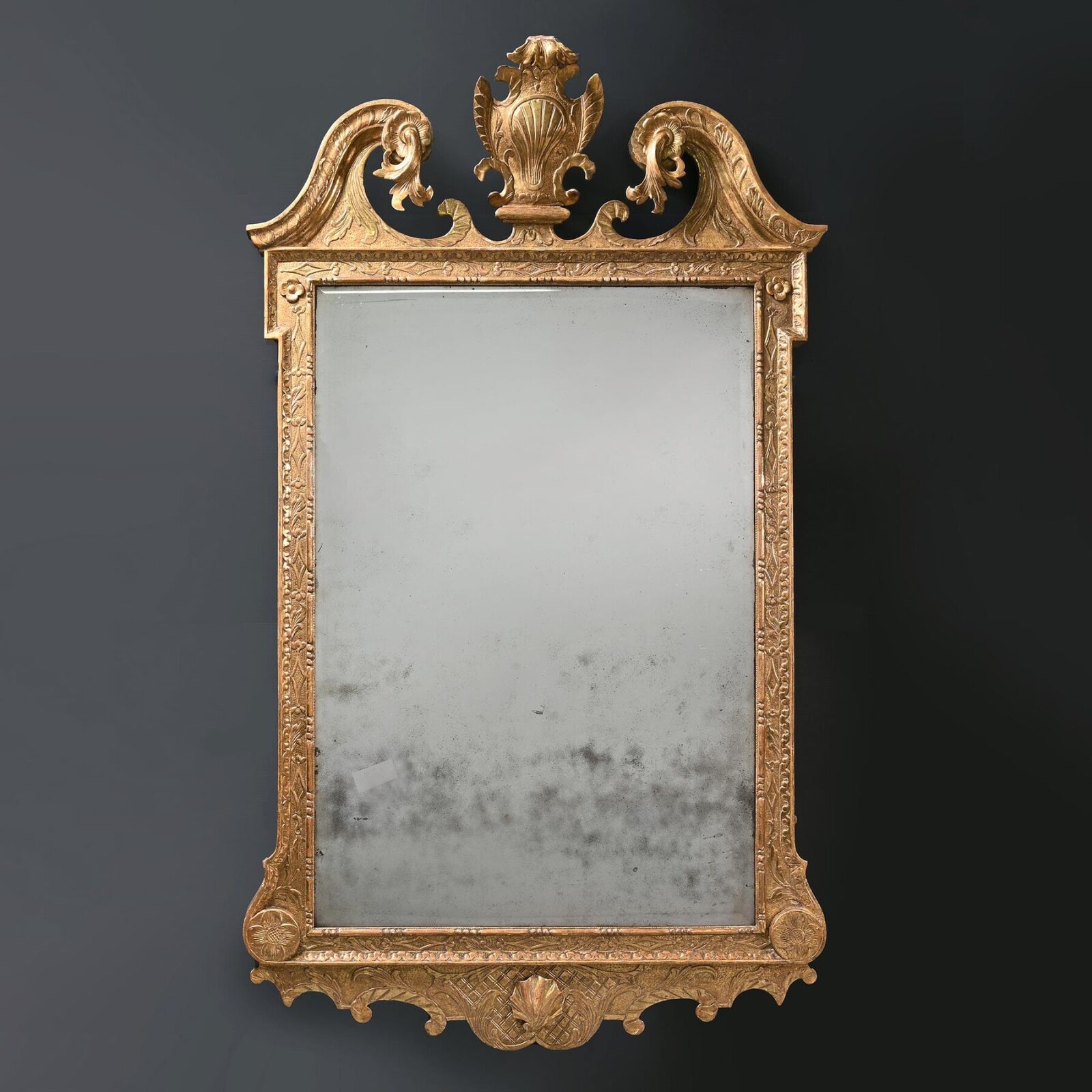
Taking these mirrors and combining them with furniture of an earlier or later period is a great way to allow the mirrors to become even more important focal points in the room. As such combining the sunburst mirrors with our Vernis Martin French commodes between two large windows
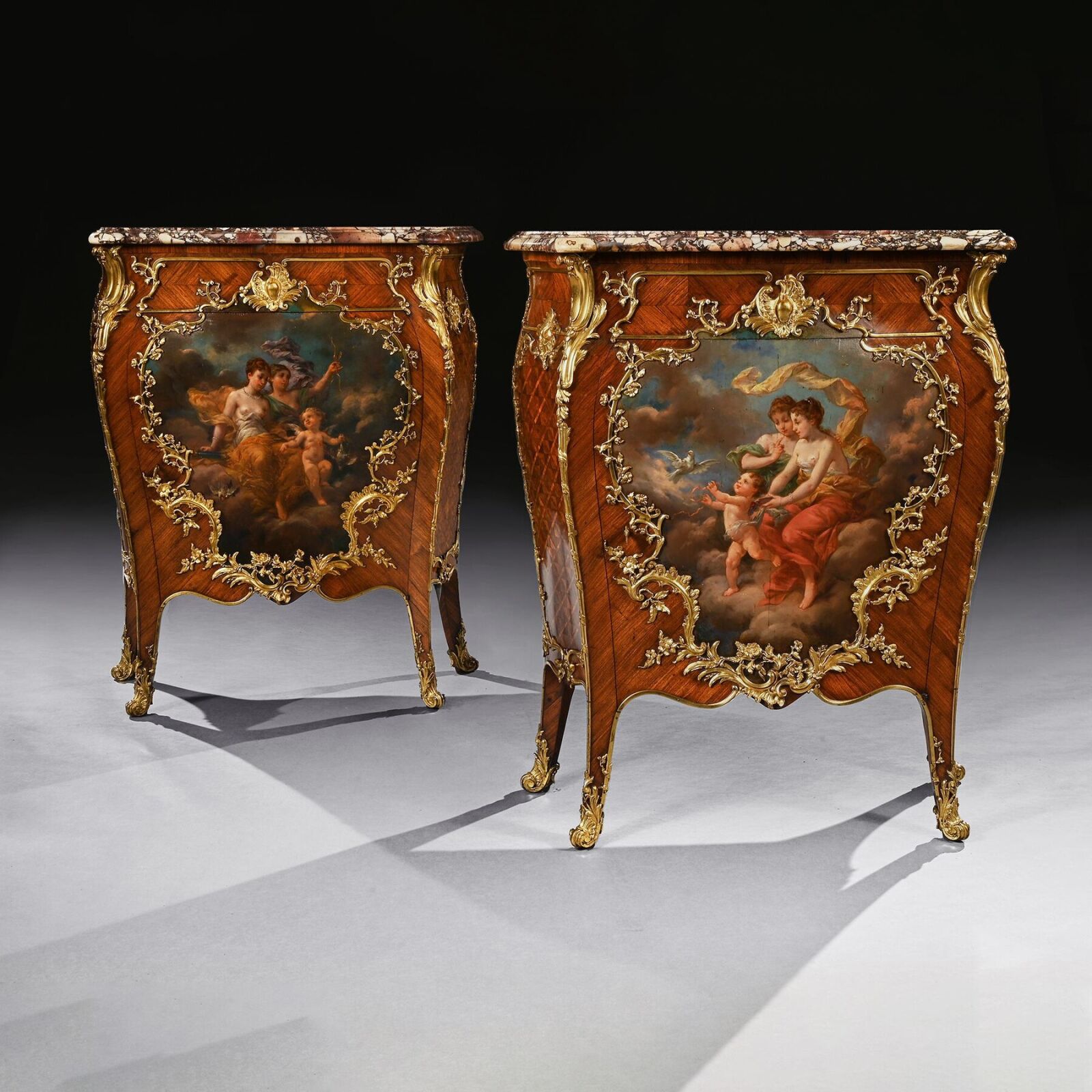
would be highly effective, allowing both pairs of pieces to breathe and not compete with each other for attention in the way that mirrors and commodes of the same period in amore rigidly period-focused interior might do.
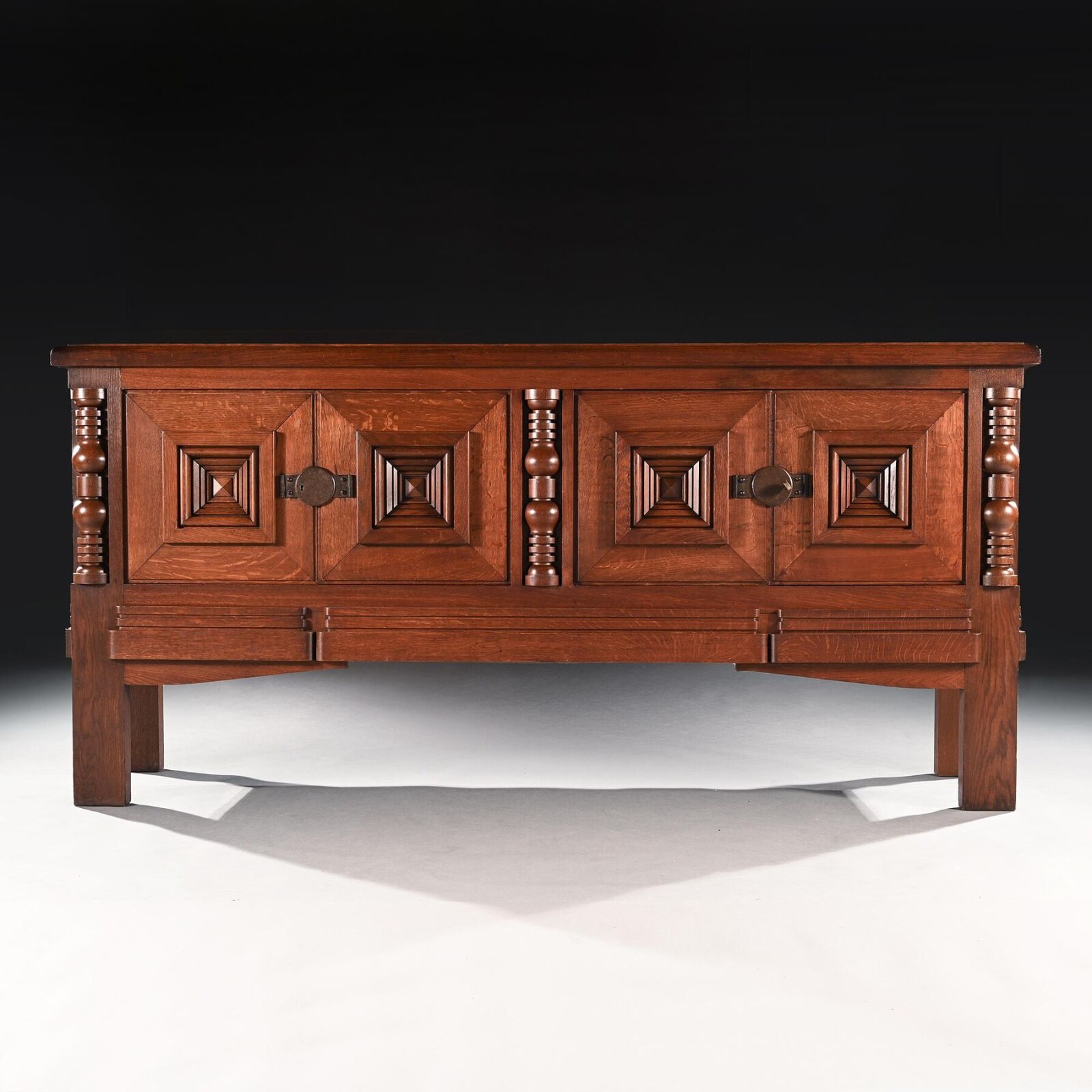
Likewise, the George II mirror would look spectacular when displayed above our Charles Dudouyt mid 20 th century French oak sideboard, a masterpiece of Art Deco design
We also have a fine pair of Spanish colonial bone and mother of pearl inlaid mirrors in our collection
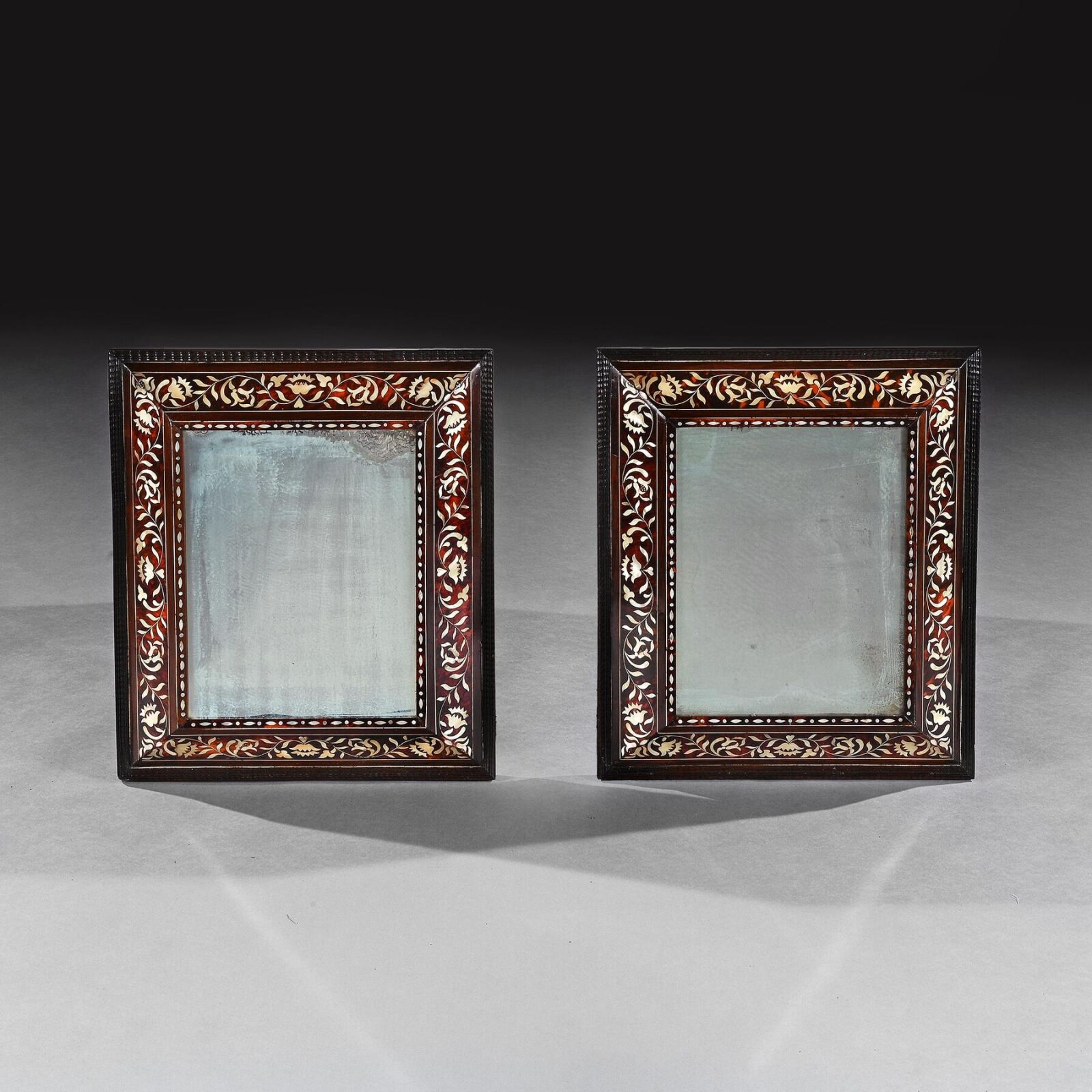
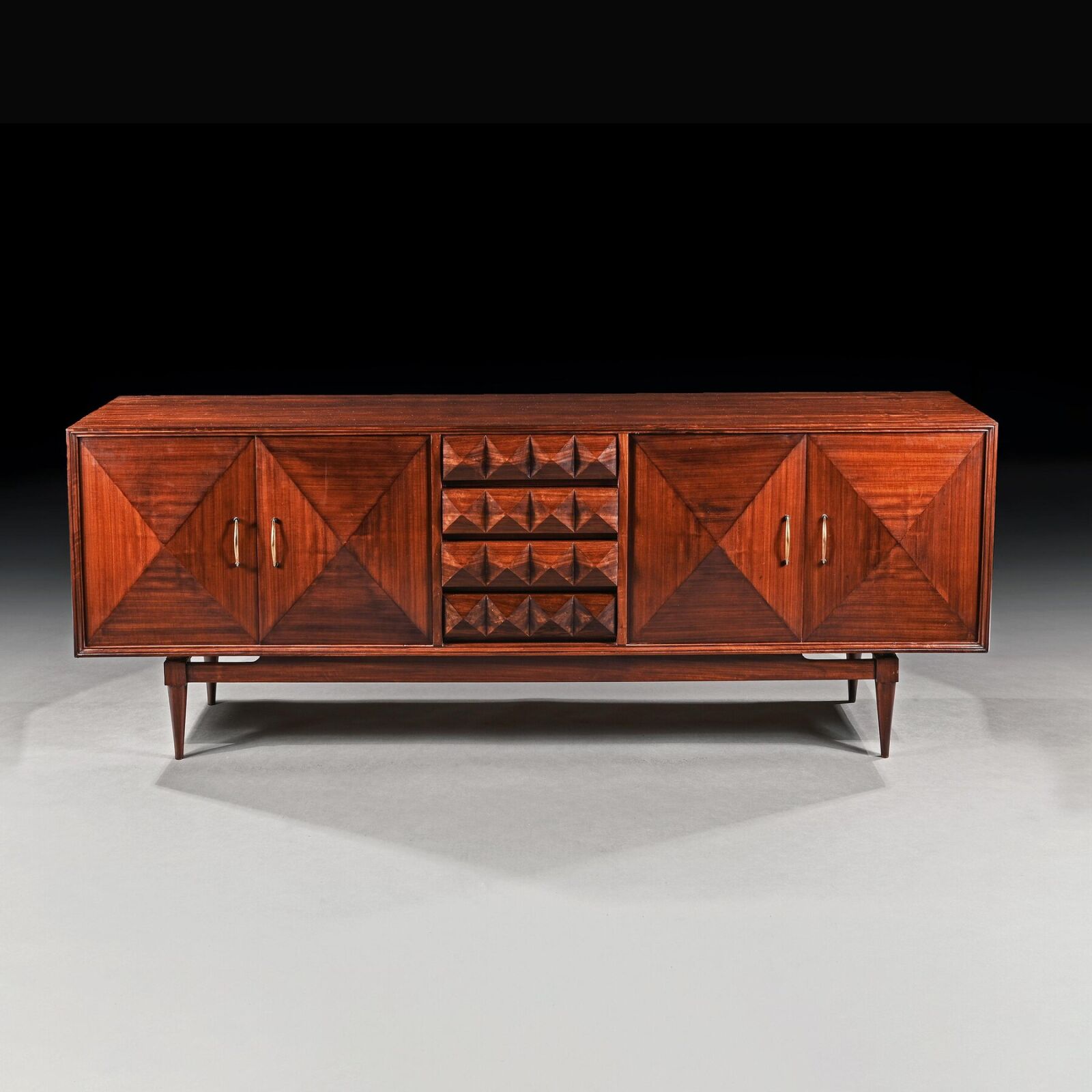
and their simple lines and geometrically carved edge mouldings make them the perfect complement for geometric mid century furniture such as our fine sideboard in the manner of Vladimir Kagan
Sometimes these combinations of different eras and aesthetics can even be found within the same piece. We are privileged to be able to offer this pair of 17 th century Spanish tortoiseshell cabinets on stands to our clients
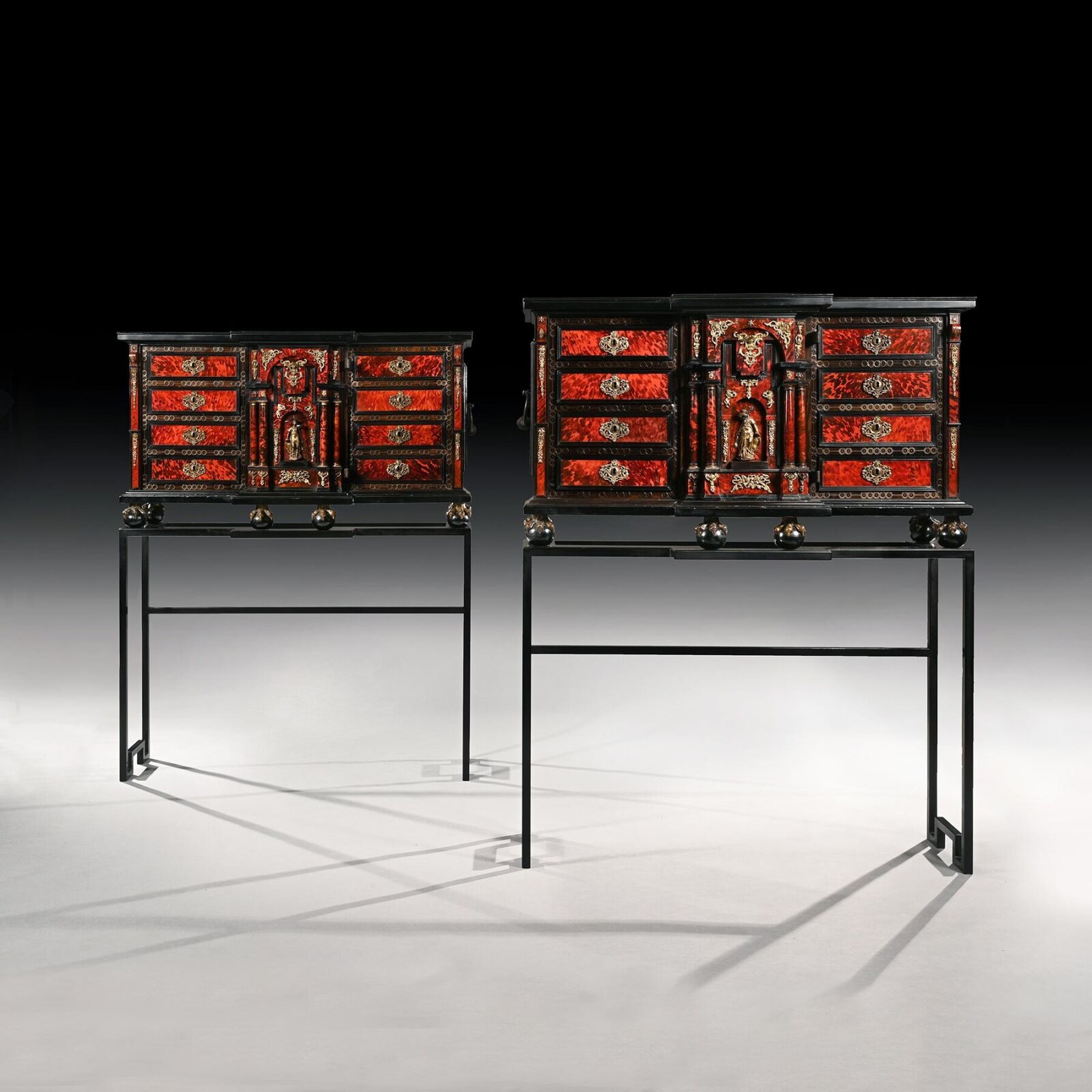
To display the cabinets to their greatest advantage, they are now mounted on modern bespoke steel stands which have been made specifically for the purpose. The cabinets are of grand scale and the modern stands have been designed both to support the cabinets visually and functionally. The combination of the two eras and the two different decorative styles is the perfect illustration of our taste as dealers and means that these pieces will serve as great accents in any interior.
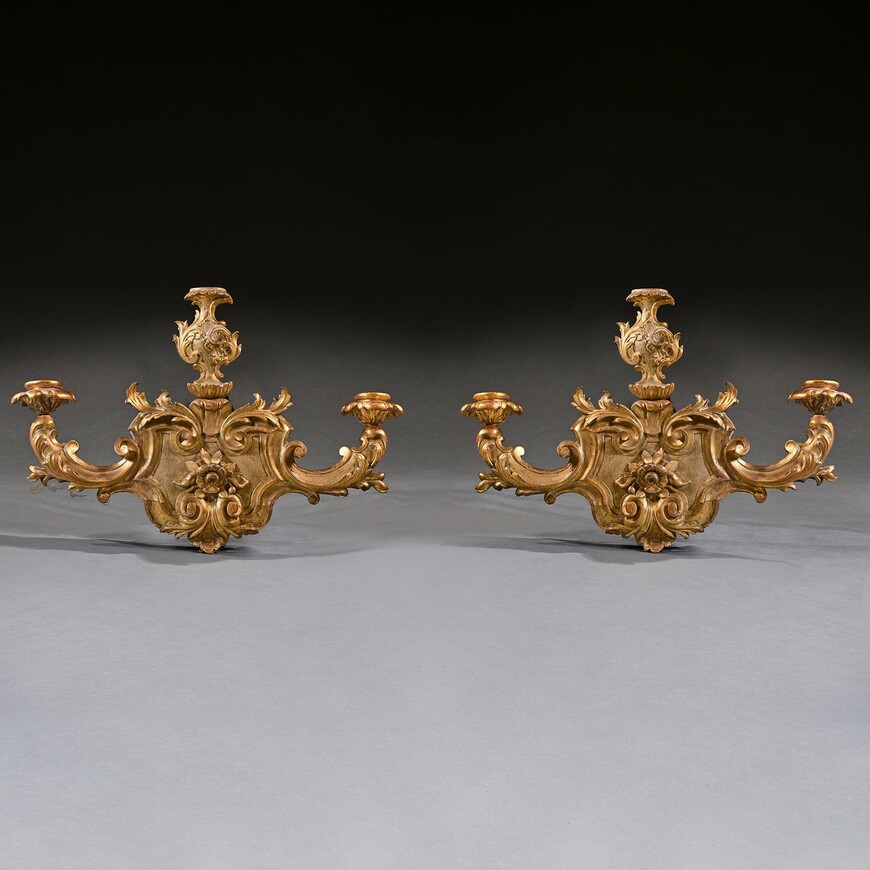
In our last blog post we focused on lacquer pieces and it goes without saying that any lacquer or japanned piece is perfectly placed to be a statement piece in a room, as is any sort of gilded furniture or a piece with gilt metal (ormolu) mounts. What might seem like a small addition to a room can also make an enormous difference to the ambience and to illustrate this point we draw your attention to our range of wall lights of different periods and styles. The Arbus pieces we have discussed already are one such example but we also have a number of antique examples such as our Venetian gilt wood lights
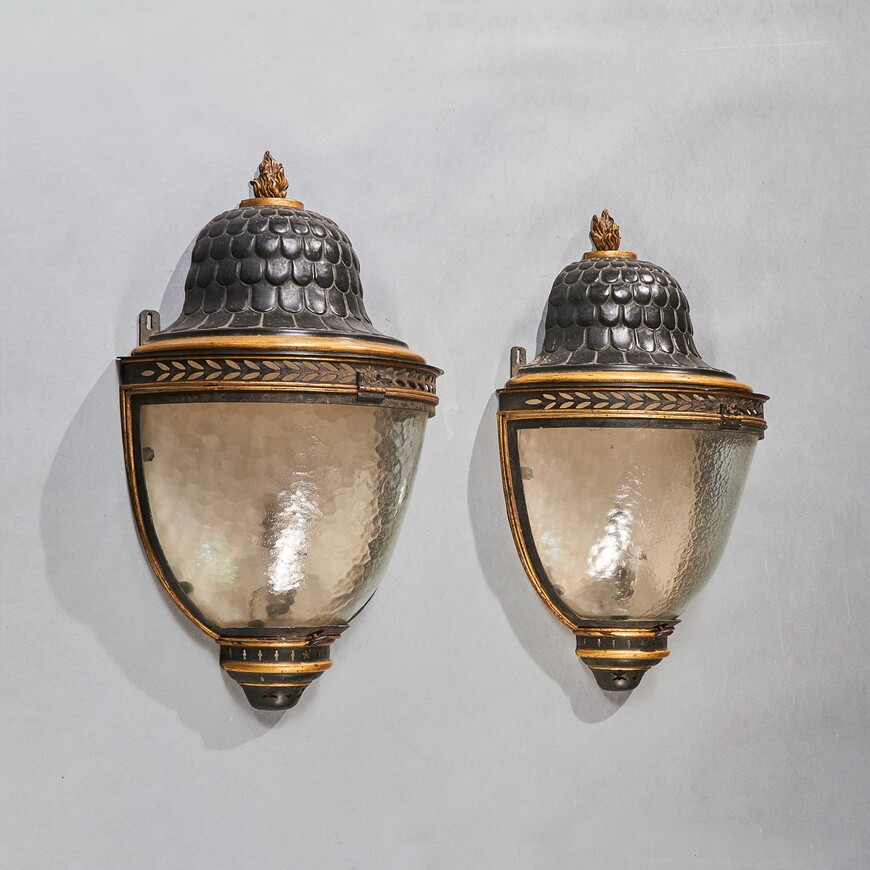
French painted tin (tole) wall lanterns
and our large late 19 th century ormolu rococo examples
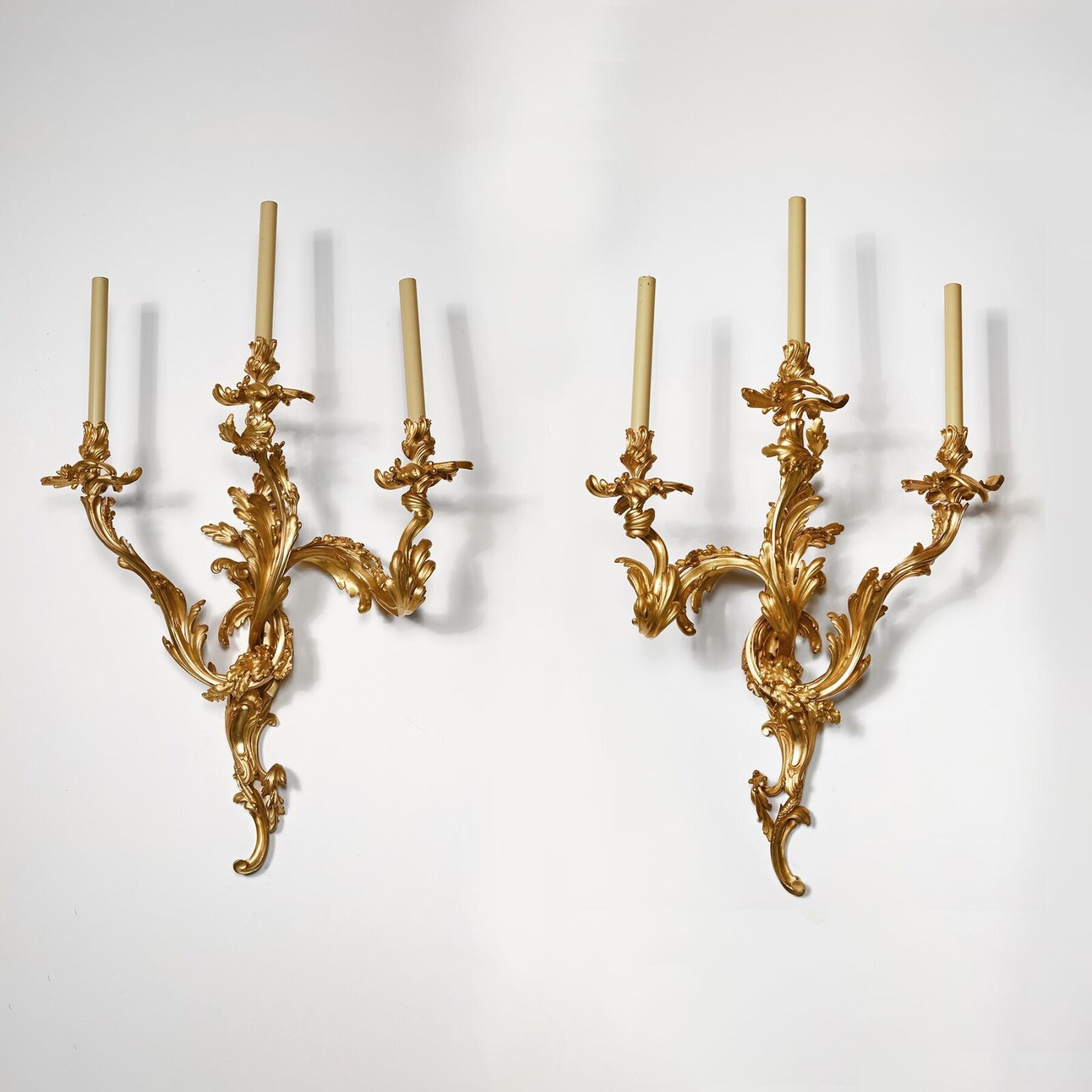
all of which can transform an interior and make it so much more visually appealing.
We conclude with a selection of decorative items and sculpture. Any room would be enhanced by our pollard oak cellaret or wine cooler.
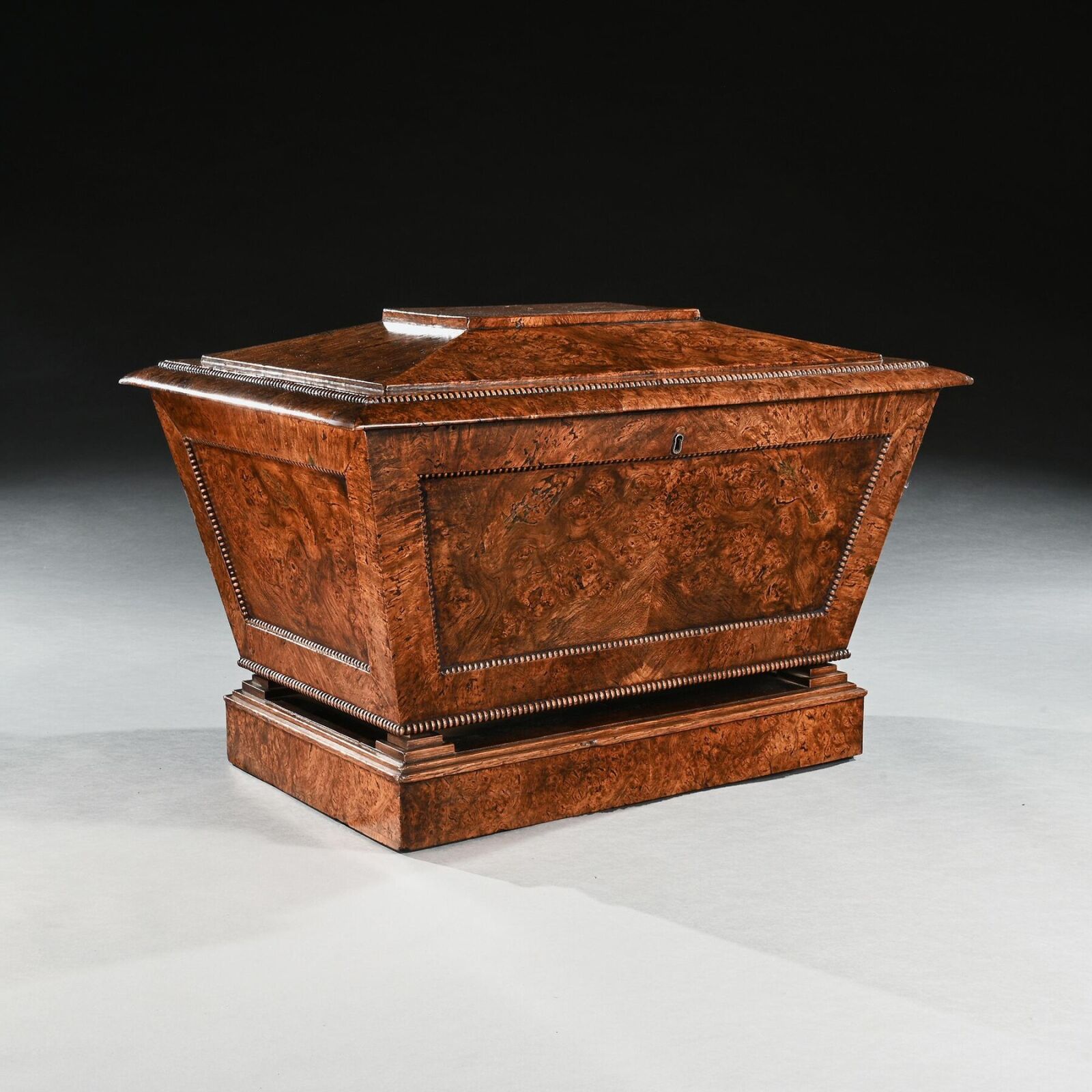
The flat central section on the lid is ideal for displaying a bronze statuette or similar and the piece could even be used as a highly unusual coffee table, set in the middle of the room, for maximum impact.
Of closely allied form, we have a pair of cast iron strong boxes modelled on regency wine coolers.
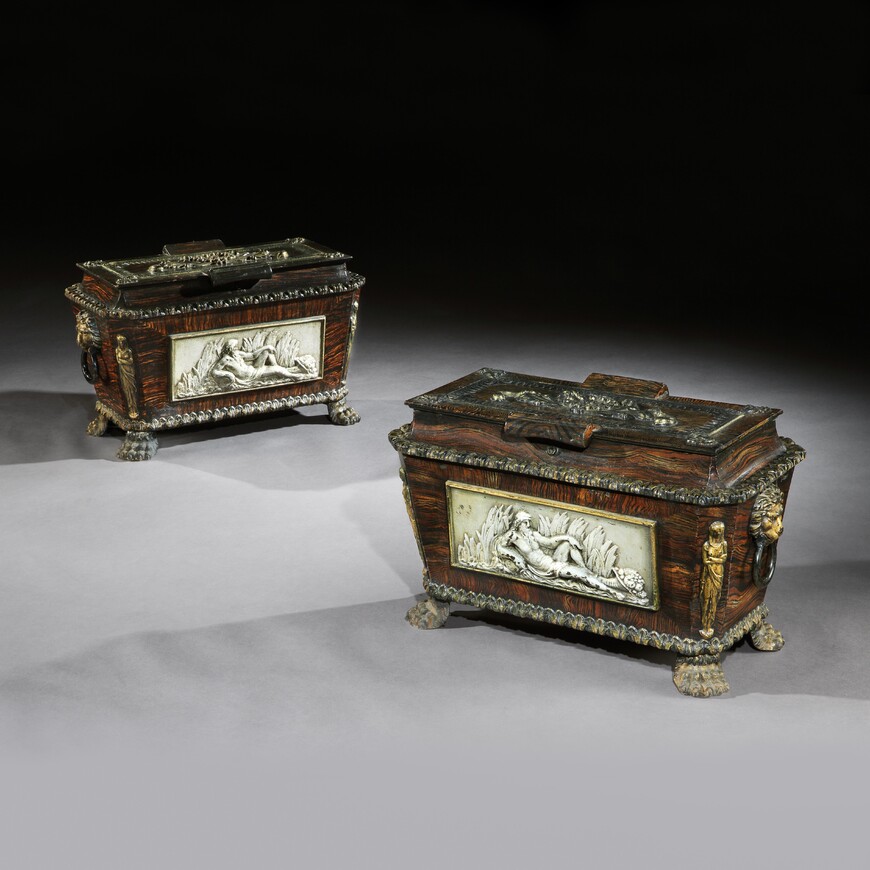
These extraordinary objects are highly unusual and just the thing for adding an element of mystery to a room whilst also providing a practical storage solution.
Our finely painted papier mache tray provides an excellent, and highly affordable, opportunity to add an accent to any interior.
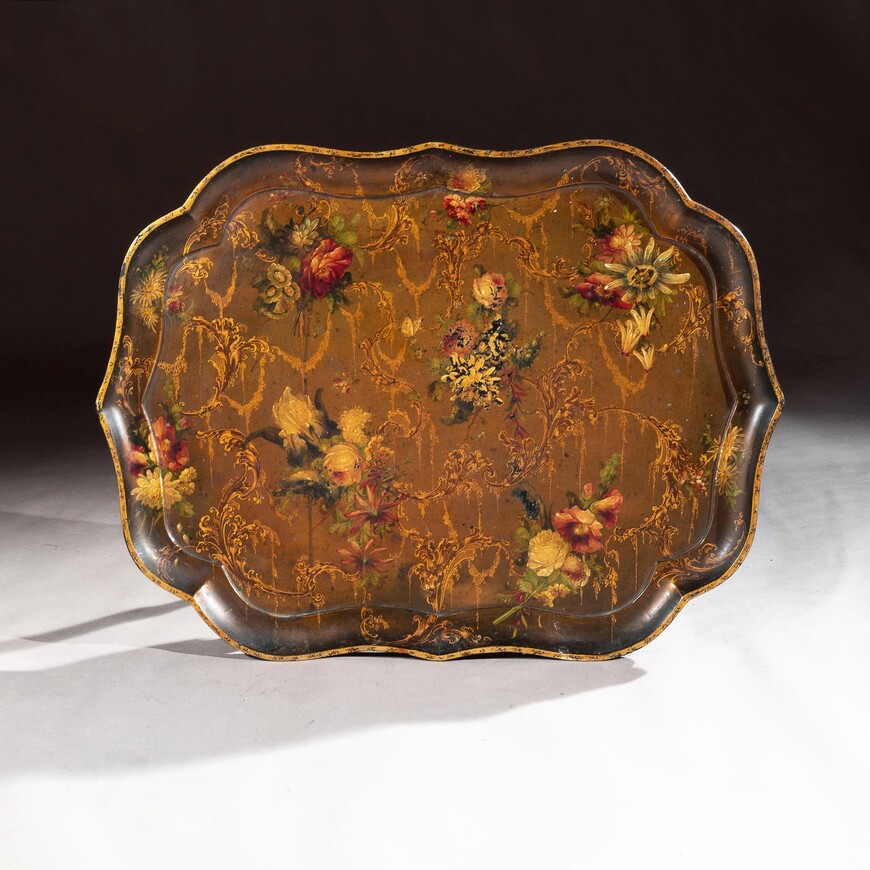
Frequently mounted on modern bases for use as coffee tables, pieces like this also look wonderful mounted on the wall like a picture, the shaped edges making our example particularly interesting in this regard.
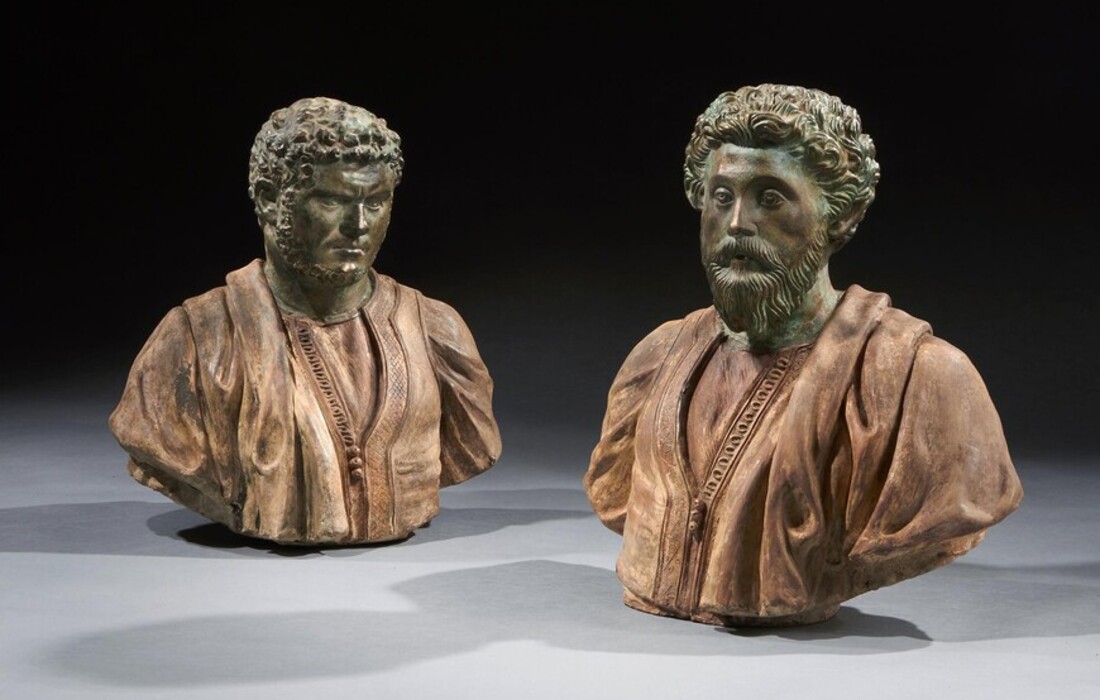
Our bronze and terracotta busts of Roman emperors
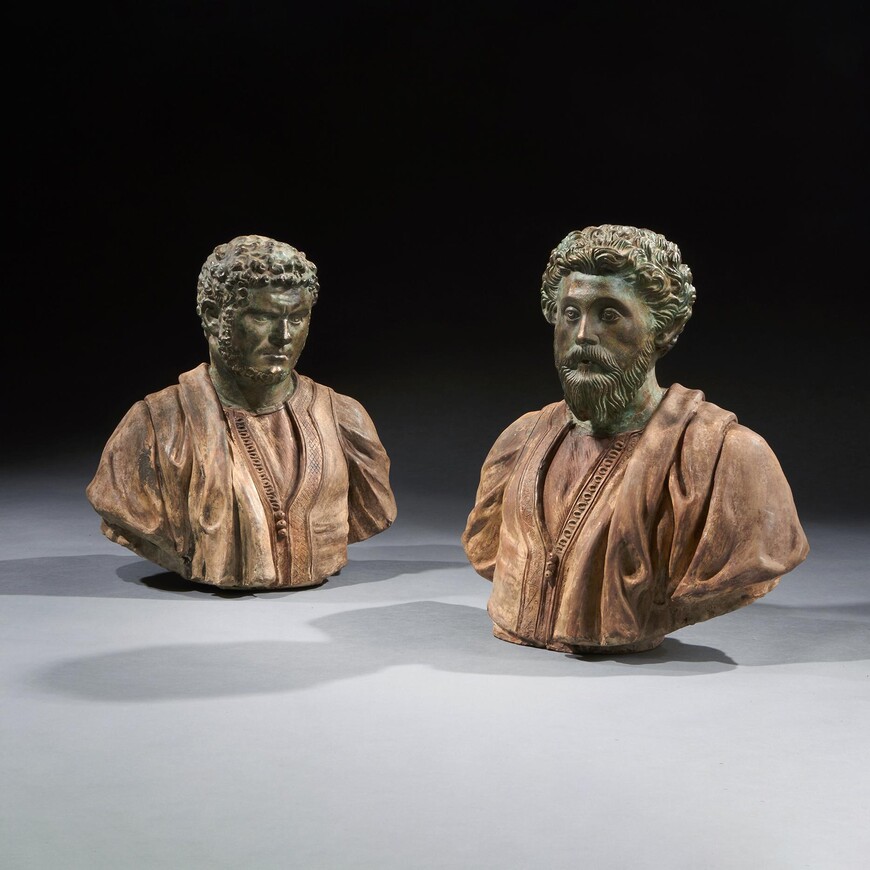
are a guaranteed talking point and, with their unusual combination of materials, work well with both modern and antique furniture.
Our marble sculptural group is an antique of the highest quality
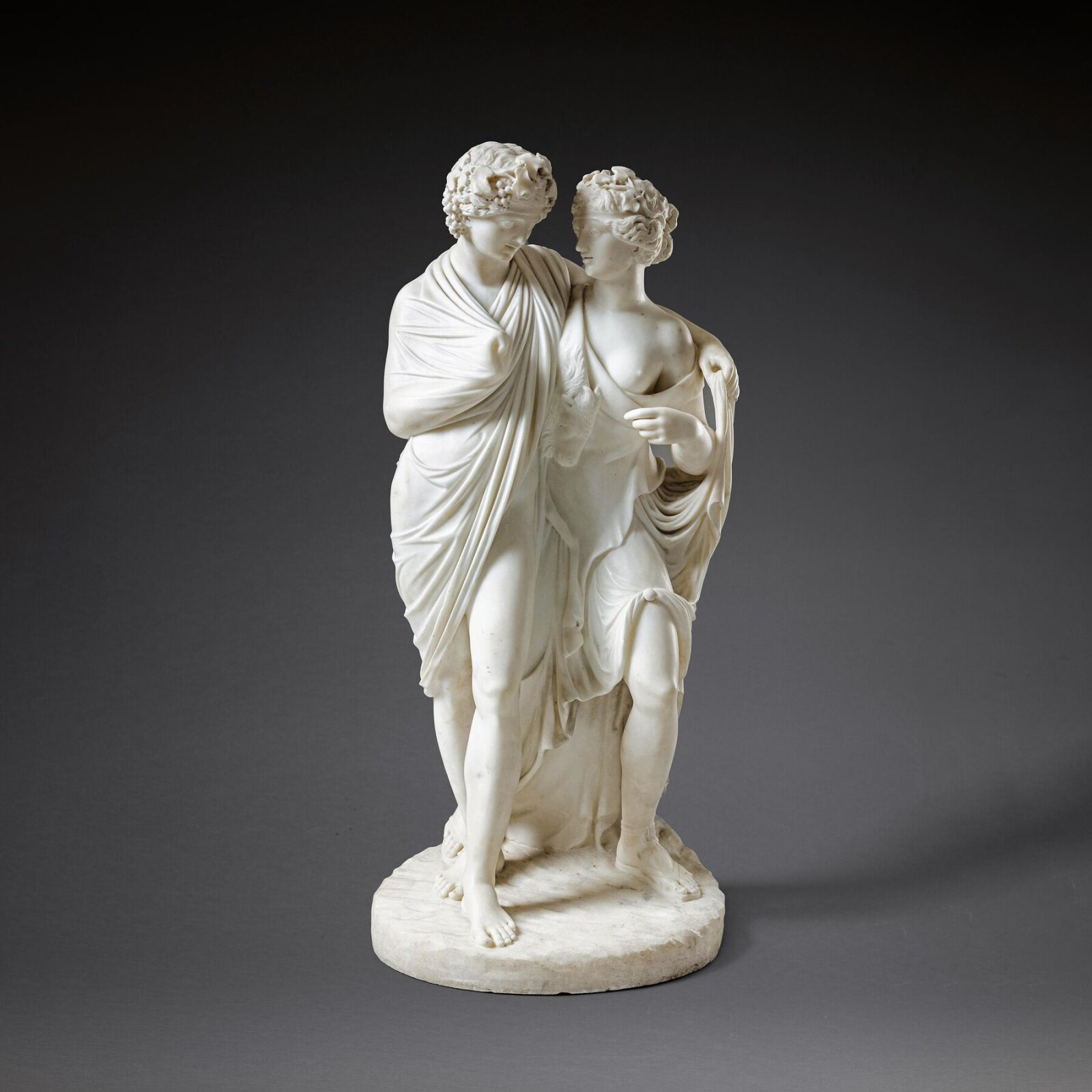
but its large size and the fact that it is carved in the round allow it to be extremely versatile when used in a decorative scheme. It could be the perfect accent in an otherwise contemporary interior or the final touch in a traditional antique scheme.
No summary of our decorative pieces would be complete without mentioning our large scale model of a Doberman dog, executed entirely in leather with ormolu collar mounts and painted detailing.
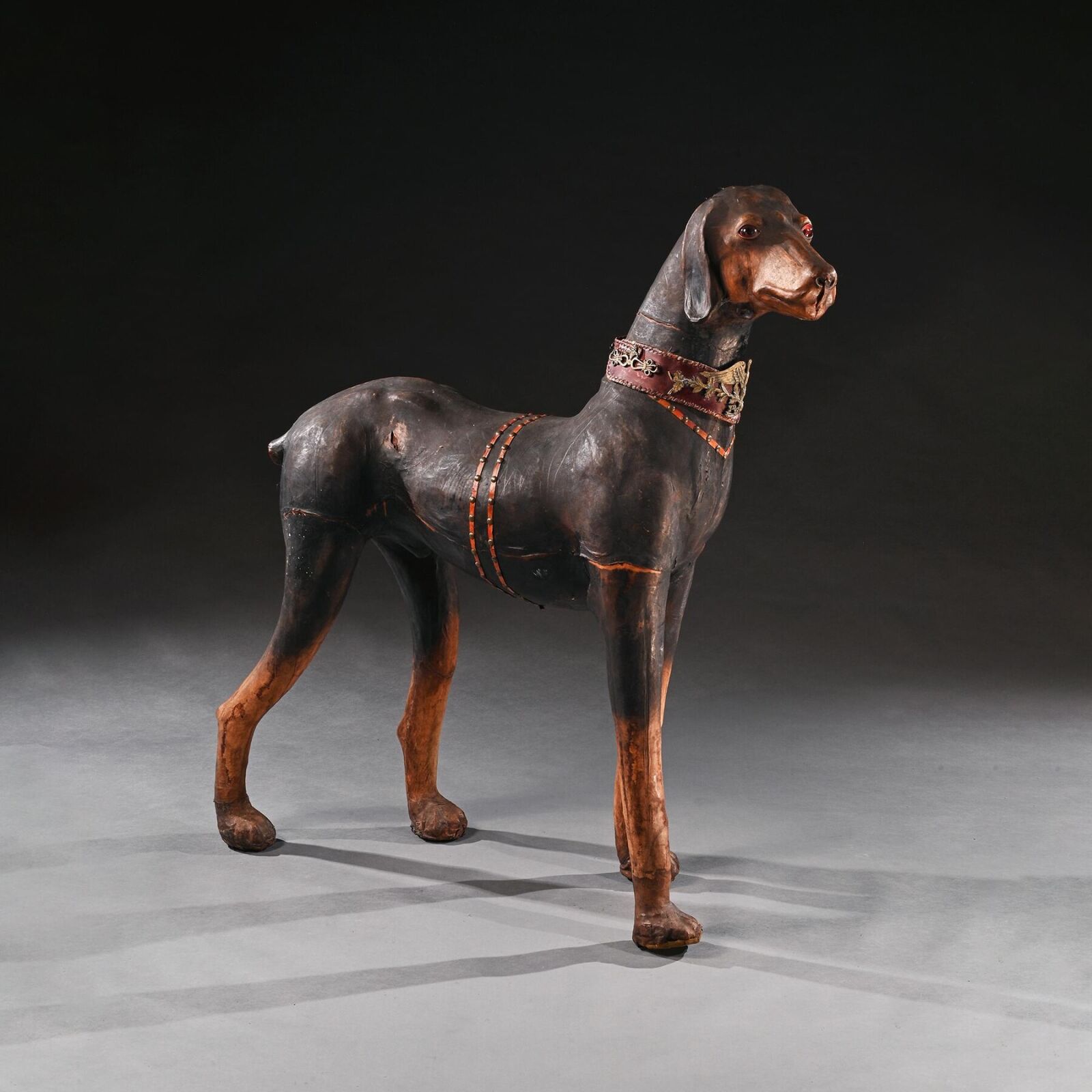
This is the very definition of a statement piece, an extraordinary decorative object with the wow factor that we are all looking for.
Despite the number of pieces mentioned here, this is still only a fraction of our current collection and we would encourage our readers to look at the full range:
If we can assist you with your own interior project, whether you are a decorator, collector or simply an enthusiast with an interest in improving your own home then please do not hesitate to contact us and we will be happy to suggest pieces from our inventory that will work for you and your needs.